
![[Copy2]copy PocketFi 5G.](https://img-va.myshopline.com/image/store/1738987129708/ZHUTU1.jpg?w=1563&h=1563)
Emergency Internet Backup: Why Every Home and Office Needs a Plan B Connection
Most people do not think about backup internet until their main connection fails. Then it becomes the only thing that matters.
An outage at home can stop remote work, disrupt kids' online classes, break smart home devices, and cut off communication. For businesses, the stakes are even higher. Payment processing stops. Cloud tools go offline. Customer support queues grow. Team collaboration halts. Even a short outage can create lasting disruption.
The problem is not that outages happen. They do, and they will continue to. The problem is that most people and businesses have no alternative ready. When the primary connection goes down, everything stops.
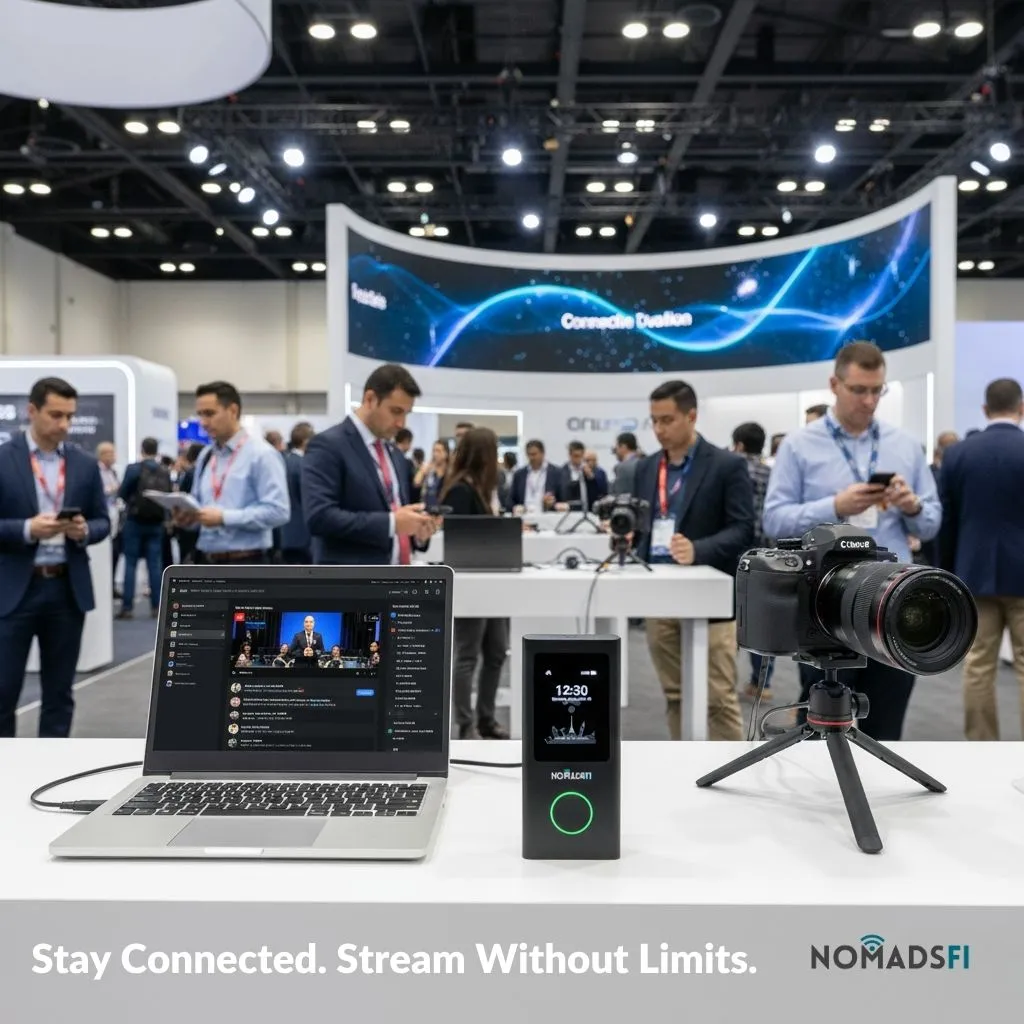
NomadsFi helps fill that gap with a flexible, portable backup internet option that keeps things running when the main line cannot.
The problem section
Internet outages are more common and more disruptive than most people assume.
They can be caused by:
- infrastructure failures or maintenance by the provider
- weather events like storms, floods, or extreme heat
- construction or accidental cable cuts near your building
- network congestion during peak usage or emergencies
- equipment failures in your modem, router, or wiring
Whatever the cause, the effect is the same: you lose access to everything that depends on a stable connection.
The hidden costs of going offline
For a home, an outage might seem like a minor inconvenience. But in practice, modern households rely on internet for far more than browsing:
- remote work video calls and deadlines
- school assignments and online learning platforms
- streaming, gaming, and entertainment
- smart home devices, security cameras, and thermostats
- banking, bill payments, and appointments
For businesses, the cost is more direct:
- lost sales when payment systems or online ordering goes down
- missed customer communications and delayed support
- disrupted team workflows and project timelines
- inability to access cloud tools, files, or databases
- reputational damage when clients cannot reach you
A study by IT industry groups estimates that small businesses lose thousands of dollars per hour of connectivity downtime. The real cost includes not just lost revenue but missed opportunities and customer frustration.
Why traditional backup options fall short
Some people and businesses try to prepare for outages, but the common approaches have serious limitations.
Phone tethering is a bandage, not a solution
Using a phone hotspot is the most common backup method. It works in a pinch, but it has real constraints. Battery drain is fast. Data limits kick in quickly on most mobile plans. Signal quality varies by room, building, and time of day. And if the outage lasts more than an hour or two, tethering becomes impractical for a household or team.
A second ISP is expensive and slow to set up
Some businesses install a second internet line from a different provider. That can work, but it doubles the monthly cost, requires additional hardware, and may still share the same physical infrastructure. It is also not practical for most households or small offices.
Going to a cafe or coworking space is not always possible
When the internet goes down at home, some people head to a nearby cafe or library. That might work for a single person with a laptop, but it does not work for a family, a team, or a business that needs its own systems running. It also assumes the outage is local to your building and not a wider area event.
Doing nothing is the most common plan
Most people and businesses simply have no backup plan. They accept outages as unavoidable and absorb the cost each time. That works until the outage is long enough or badly timed enough to cause real damage.
How NomadsFi helps
NomadsFi provides a practical backup internet option that is easy to keep on hand and ready when you need it.
Always-ready backup that does not require daily setup
A portable internet device can sit in a drawer or cabinet until an outage happens. There is no need for ongoing maintenance, monthly configuration, or complex setup. When the main connection fails, you turn it on and get back to work.
Flexible enough for homes and small offices
Whether you need backup internet for a remote work setup, a family household, or a small business office, a portable solution scales to the situation without requiring a permanent installation.
No dependence on the same infrastructure
Because it works independently of your main internet provider's physical line, a portable connection is not affected by the same cable cuts, equipment failures, or local maintenance that caused the primary outage.
Cost-effective compared to a second line
Maintaining a second full ISP connection is expensive for a backup that may be used only occasionally. A portable option is a lighter financial commitment while still providing real protection against downtime.
Best use cases
NomadsFi is especially useful as a backup in these scenarios:
Remote workers who cannot afford downtime
Freelancers, consultants, and remote employees who depend on video calls, file uploads, and online tools need internet that works on their schedule, not their provider's.
Small businesses with online operations
Shops, agencies, and service providers that process orders, communicate with customers, and manage inventory online need connectivity they can count on.
Homes with multiple connected users
Families where several people need internet simultaneously for work, school, and daily tasks cannot afford to share a single phone hotspot during an outage.
Event setups and temporary locations
Pop-up events, market stalls, outdoor setups, and temporary workspaces need internet that is easy to deploy without depending on venue WiFi.
Areas prone to weather-related outages
Homes and businesses in regions that experience frequent storms, flooding, or extreme weather benefit from having a backup that does not rely on overhead or underground cables.
FAQ
How long can a backup internet connection last during an outage?
It depends on the plan and usage, but a portable connection is designed to handle hours of typical use — enough to get through most common outages without disruption.
Is backup internet only for businesses?
No. Households increasingly depend on internet for work, school, communication, and daily tasks. A backup connection is practical for any home that cannot afford to go offline unexpectedly.
How is this different from phone tethering?
Phone tethering depends on your phone's battery, data plan, and signal. A dedicated portable connection is built for longer sessions, supports multiple users, and does not drain your phone during an emergency.
When is backup internet most important?
During storms, network maintenance windows, equipment failures, and any time your primary connection has failed and you need to continue working, communicating, or managing operations.
Who should consider backup internet?
Remote workers, small businesses, families with multiple internet users, event operators, and anyone in an area where outages are common or especially disruptive.
Conclusion
Internet outages are not rare events. They happen regularly, and when they do, the disruption is immediate. Most people and businesses have no real plan for when the connection goes down, and the cost of that gap shows up in missed deadlines, lost revenue, frustrated customers, and wasted time.
NomadsFi offers a practical, portable backup internet option that is easy to keep ready and simple to deploy when you need it. Whether for a home office, a small business, or a family that depends on connectivity, having a Plan B is no longer optional — it is common sense.
If your internet goes down and you have no backup, the outage controls your schedule. With a portable backup ready, you stay in control.