
.png?w=1000&h=1000)
Portable Internet
NomadsFi vs Starlink Satellite Internet: Which Is Better for Travel, Remote Work, and Backup?
A practical comparison of portable cellular WiFi and satellite internet, including setup, mobility, coverage tradeoffs, and when each option makes more sense.
In This Article
- Quick answer
- What NomadsFi is designed for
- What Starlink satellite internet is designed for
- Side-by-side comparison
- When NomadsFi may be the better choice
- When Starlink may be the better choice
- How to choose the right setup
- FAQs
Quick Answer
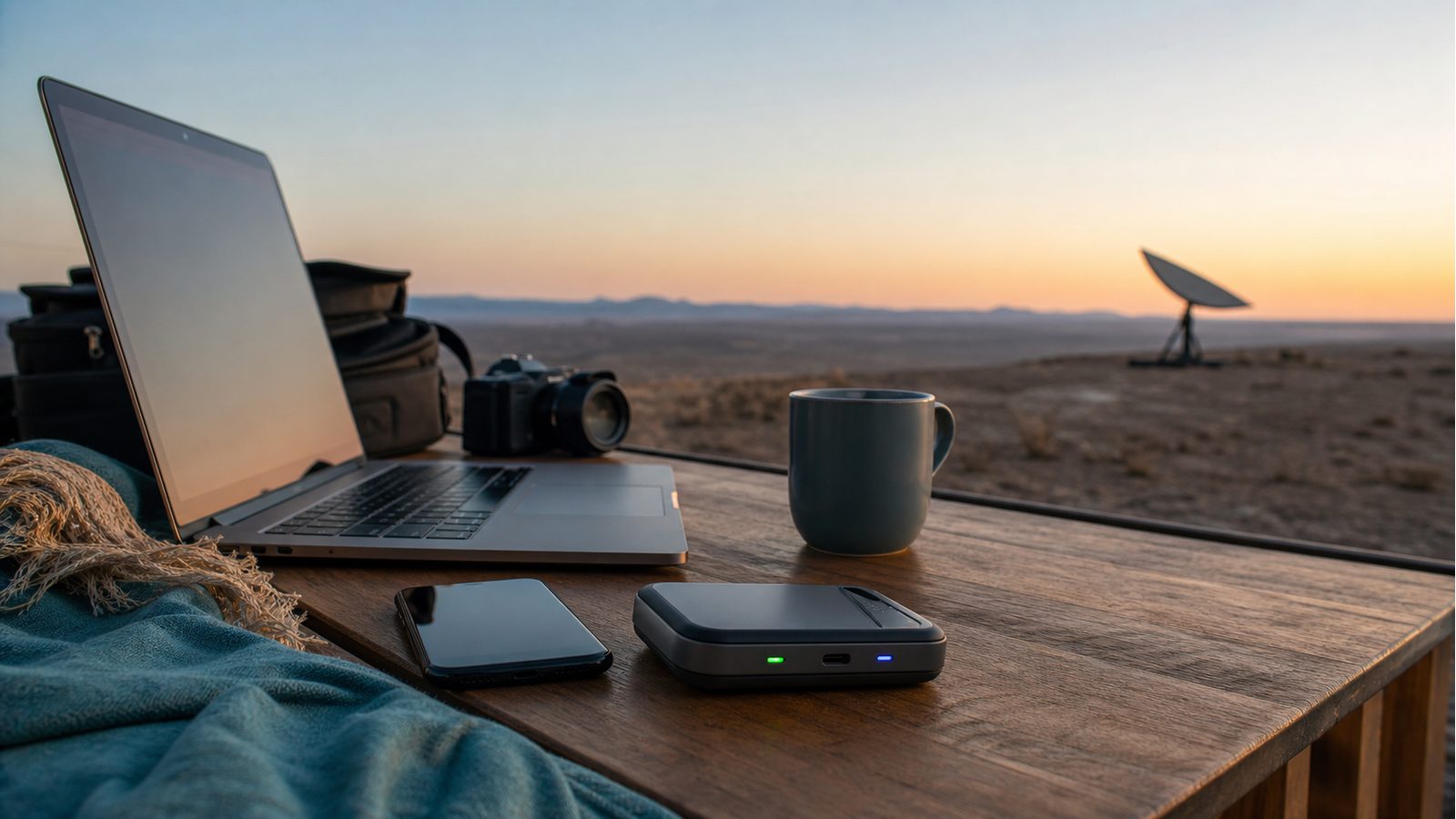
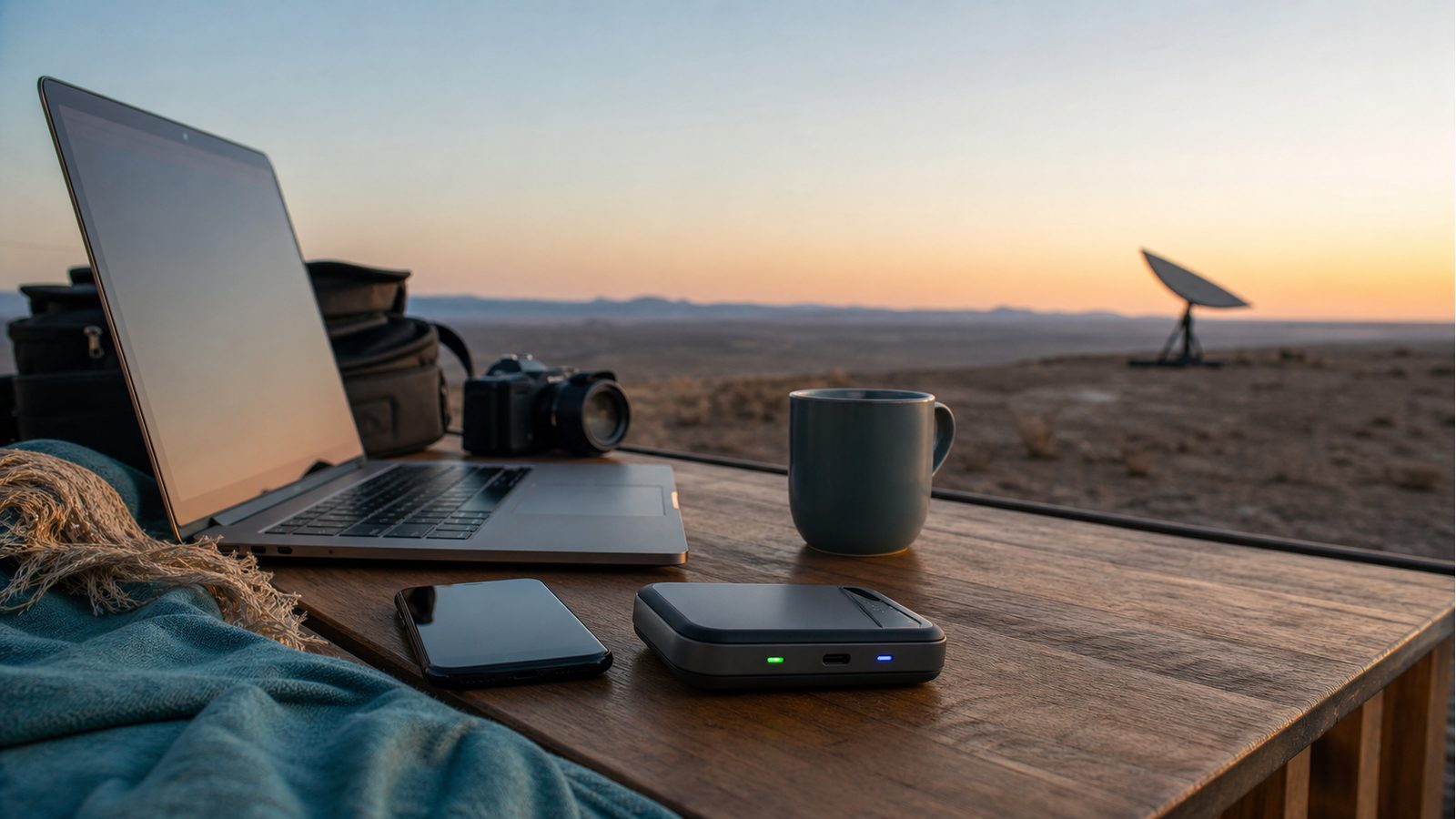
NomadsFi and Starlink solve different connectivity problems. NomadsFi is designed for portable cellular internet: a compact device, simple setup, and flexible use where cellular coverage is available. Starlink satellite internet is designed for places where a satellite terminal can see open sky, which can make it valuable for remote stays, rural properties, RV sites, and locations where cellular coverage is limited.
If you spend most of your time in cities, suburbs, highways, hotels, cafes, retail counters, job sites, or travel routes with cellular signal, NomadsFi may be the easier everyday choice. If you are often parked or stationed in remote open areas without usable cellular service, Starlink may be worth the larger kit, power needs, and setup routine. Actual performance may vary for both options based on location, network conditions, equipment, plan terms, and service availability.
What NomadsFi Is Designed For
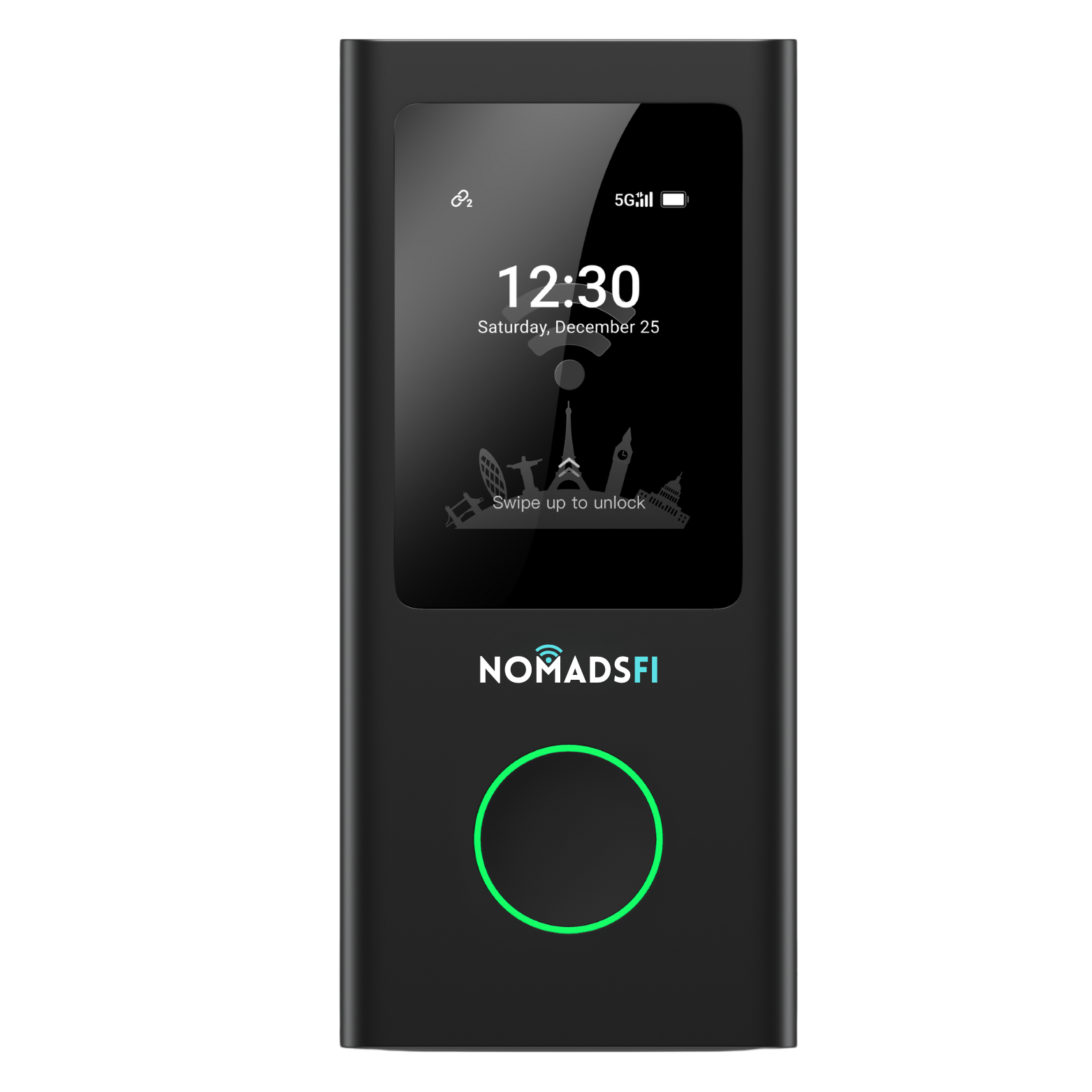
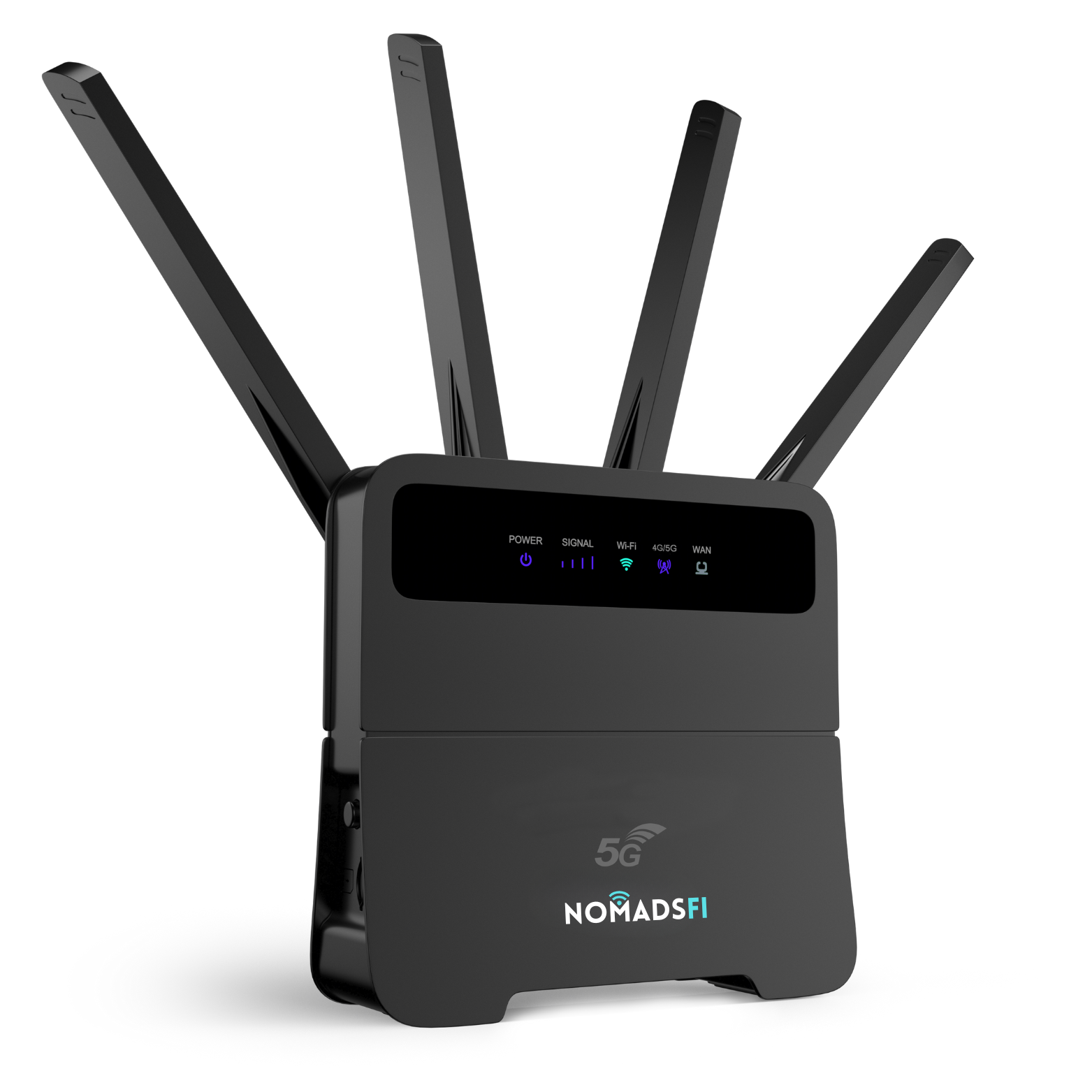
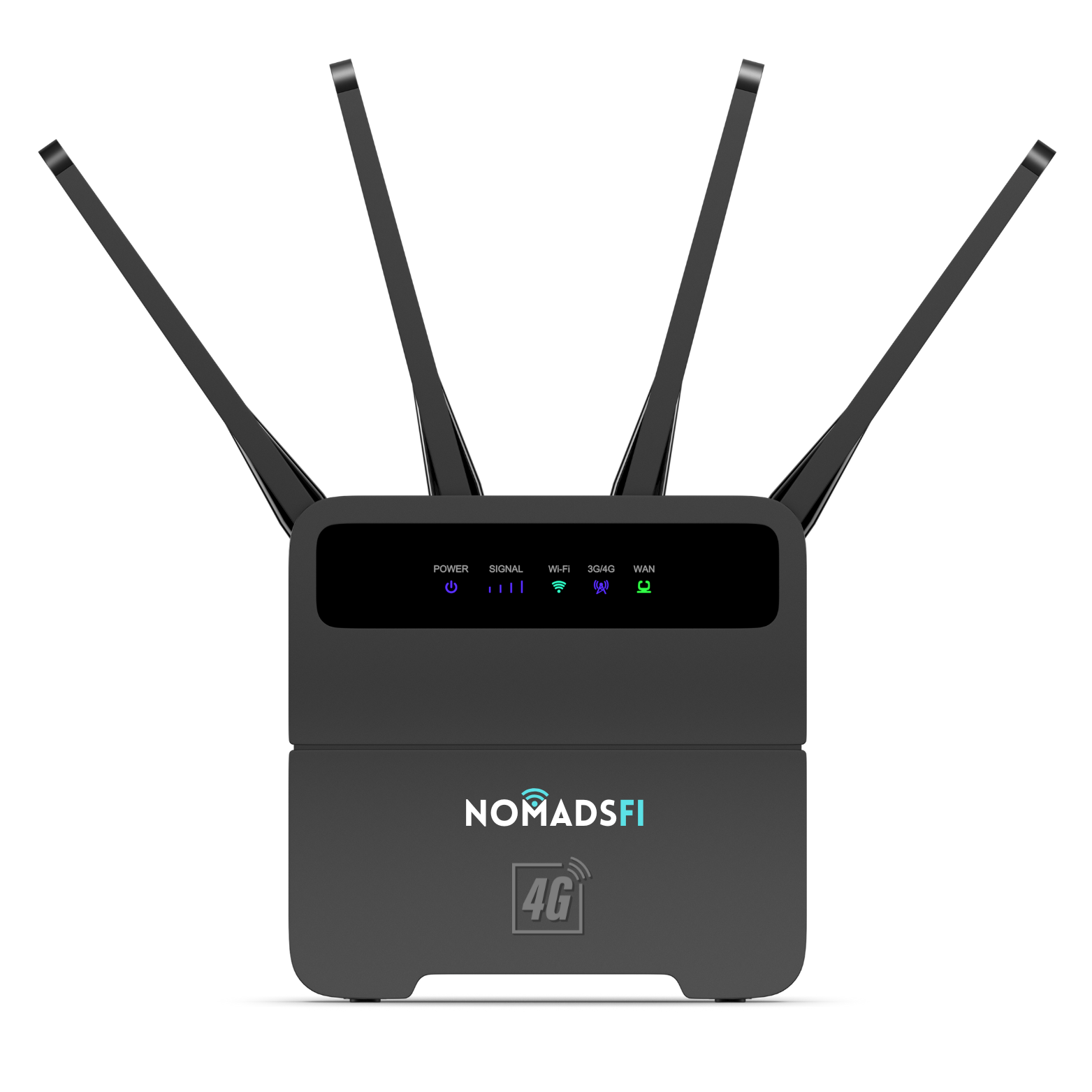
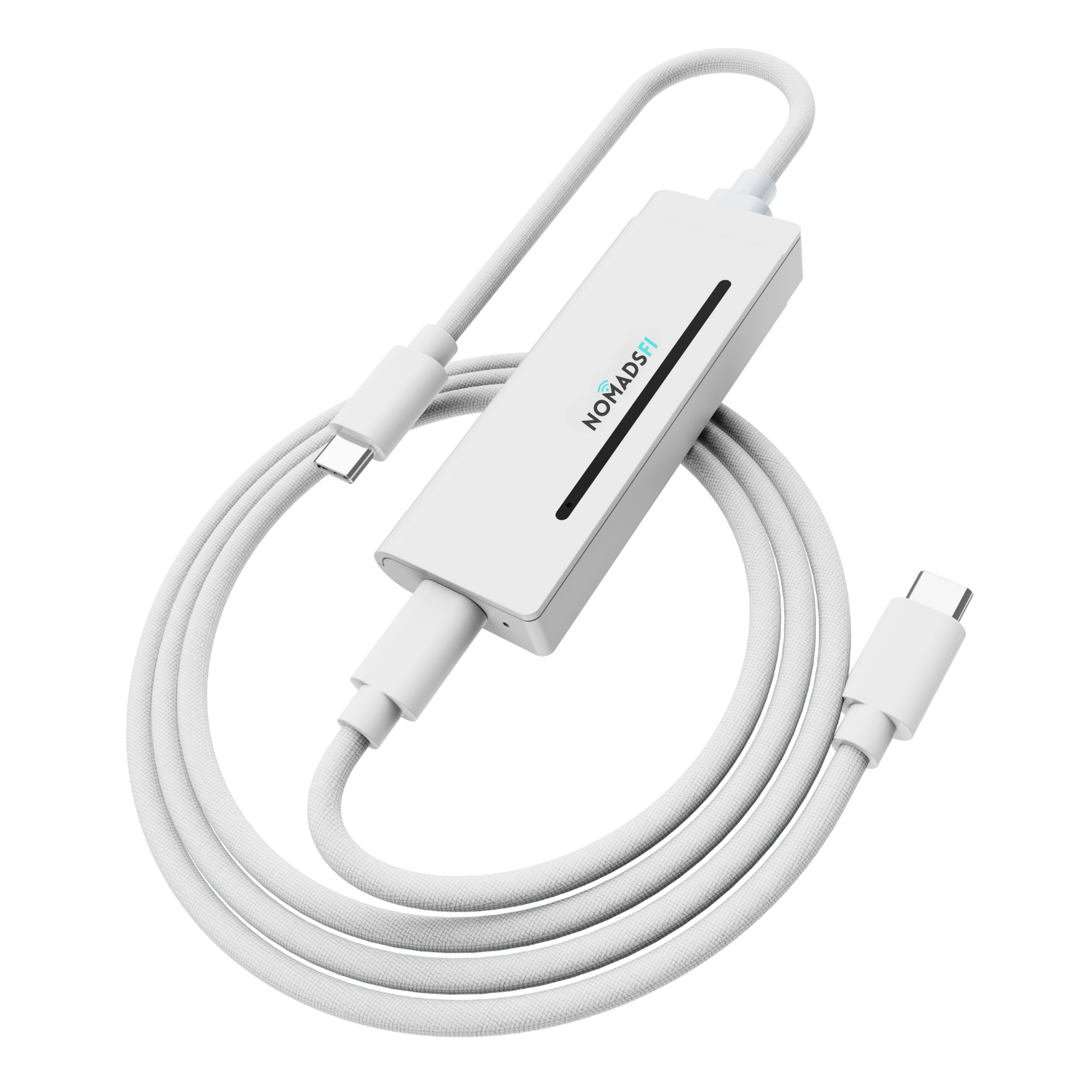
NomadsFi is a CloudSIM-powered portable WiFi and mobile internet brand offering 4G/5G mobile hotspots, routers, dongles, U.S. internet plans, and international travel data options. The core idea is straightforward: bring a compact connection with you, connect your laptop, phone, tablet, or work devices, and avoid relying only on public WiFi or a phone hotspot.
That makes NomadsFi especially useful for everyday mobility. Think remote workers moving between homes and cafes, travelers who need a dedicated WiFi device, small teams that need temporary connectivity, families that want backup internet, or RV users who spend time in areas with cellular coverage. Coverage and speed may vary by carrier network, device, signal strength, congestion, terrain, building materials, and plan terms.
What Starlink Satellite Internet Is Designed For
Starlink is satellite internet from SpaceX. Instead of relying on nearby cellular towers, the user terminal connects to satellites overhead and shares internet through a local WiFi network. This can be a major advantage in open remote areas where wired internet and cellular coverage are weak, unavailable, or inconsistent.
The tradeoff is that satellite internet is more physical. It usually requires the terminal, power, open placement, and attention to obstructions such as trees, buildings, mountains, or dense urban surroundings. It can be excellent for a remote campsite, cabin, ranch, job site, or RV stop with a clear view of the sky, but it is not as pocketable or instant as a cellular hotspot for quick indoor use.
Side-by-Side Comparison
| Category | NomadsFi Portable WiFi | Starlink Satellite Internet |
|---|---|---|
| Connection type | Cellular 4G/5G mobile internet where cellular coverage is available. | Satellite internet through a dedicated terminal with service availability and open-sky requirements. |
| Best everyday fit | Travel routes, remote work, backup internet, small teams, retail counters, temporary setups, hotels, apartments, and places with cellular signal. | Remote open areas, RV stops, cabins, rural properties, field sites, and places where cellular coverage is limited. |
| Setup | Power on the device, choose a suitable plan, and connect your devices. | Place the terminal, provide power, check sky visibility, manage obstructions, and connect devices through the Starlink network. |
| Portability | Compact and easy to carry for day-to-day movement. | Portable for vehicles, RVs, cabins, and planned stops, but still involves a terminal and placement routine. |
| Indoor use | Often practical indoors when cellular signal is available. | Usually depends on where the terminal can be placed with a clear view of the sky. |
| Power needs | Designed around compact mobile devices and routers. | Requires enough power for the satellite terminal and associated setup. |
| Main limitation | Needs usable cellular coverage; actual performance may vary by local network conditions. | Needs satellite service availability, open sky placement, and may be affected by obstruction, weather, and power constraints. |
When NomadsFi May Be the Better Choice
You move often during the day
If your work happens across coffee shops, hotels, airport lounges, customer sites, short-term rentals, retail counters, and vehicles, a compact portable WiFi device is easier to keep nearby. You do not need to place a dish outside or search for a clear sky window before opening your laptop.
You need a simple backup connection
For home offices, small businesses, POS systems, tablets, smart cameras, and temporary teams, NomadsFi can act as a straightforward backup where cellular coverage is available. If the primary connection drops, having a dedicated portable internet device can reduce dependence on phone hotspot battery life or crowded public WiFi.
You want a smaller travel kit
NomadsFi fits travel patterns where space, setup time, and quick access matter. It is especially helpful when you do not want a more equipment-heavy satellite setup for everyday connectivity.
You use internet mostly in covered areas
Indoor locations, city stays, hotel rooms, apartments, event spaces, offices, and vehicles often favor cellular-style portability. Building materials and signal strength can still affect performance, so testing your actual locations matters.
When Starlink May Be the Better Choice
You spend time outside cellular coverage
If your trips regularly take you far away from usable cellular networks, satellite internet can fill a gap that cellular devices cannot. This is the classic Starlink advantage: remote open places where towers are not nearby but sky visibility is available.
You have a stable place to set up
Starlink makes more sense when you can stop, place the terminal, provide power, and keep it oriented in a good location. RV sites, cabins, rural homes, emergency field locations, and outdoor work areas can be good fits.
You can manage open-sky requirements
Satellite internet works best when the terminal has a clear view of the sky. Trees, buildings, hills, and dense urban surroundings can reduce reliability, so site placement is part of the experience.
NomadsFi vs Starlink for Common Scenarios
Remote work from hotels, cafes, and apartments
NomadsFi is usually the more practical fit because it is compact and designed for quick device connections where cellular coverage is available. Starlink is less convenient when you cannot place a terminal with open sky access.
RV travel
Both can make sense. NomadsFi is useful along travel routes, inside the RV, at stops with cellular signal, and as a lighter everyday connection. Starlink may be useful when parked in remote open areas where cellular coverage is weak.
Rural home backup
NomadsFi may work well if the home has reliable cellular coverage. Starlink may be better if cellular service is poor but the home has clear sky placement and sufficient power.
Small business backup
NomadsFi is often easier for retail counters, pop-ups, job sites, and POS backup because the setup is compact and quick. Starlink can help at outdoor or remote locations where cellular networks are not dependable.
International travel
NomadsFi offers international travel data options for users who want portable connectivity across supported regions. Starlink availability, service terms, and roaming rules can vary by country and plan, so travelers should confirm current details before relying on it abroad.
The Practical Buying Question: Are You Avoiding Towers or Avoiding Setup?
The easiest way to choose is to ask what problem you are solving.
- If your problem is, "I have cellular coverage, but I want a dedicated portable connection," NomadsFi is likely the more natural starting point.
- If your problem is, "There is no usable cellular coverage here," Starlink may be the stronger option if satellite service is available and you can place the terminal correctly.
- If your problem is downtime, consider redundancy. A cellular connection and a satellite connection can complement each other because they fail in different ways.
Neither option should be treated as perfect everywhere. Cellular performance depends on local network conditions. Satellite performance depends on service availability, terminal placement, sky visibility, weather, and power. The best setup is the one that matches your locations, mobility, data needs, and tolerance for downtime.
Stay Connected with NomadsFi
Explore portable WiFi hotspots, 4G/5G routers, and flexible data options designed for travel, remote work, and backup internet where cellular coverage is available.
Shop NomadsFi DevicesFAQ
Is NomadsFi better than Starlink for travel?
NomadsFi may be easier for everyday travel when you are moving through places with cellular coverage, need a compact setup, or want quick connectivity for laptops and phones. Starlink may be stronger for remote open-sky locations where cellular service is weak or unavailable.
Can NomadsFi replace Starlink?
Sometimes, but not always. NomadsFi is a portable cellular internet option, so actual performance may vary by location, signal, congestion, device, and plan. Starlink can be useful in places where satellite service is available and the dish has a clear view of the sky.
Can I use NomadsFi and Starlink together?
Yes. Many travelers and small teams use more than one connection type for redundancy. NomadsFi can be a compact everyday connection or backup, while satellite internet can serve remote open-area stays where cellular coverage is limited.
Which option is easier to set up?
NomadsFi is generally designed for quick portable use: power the device, choose a suitable plan, and connect your devices where cellular coverage is available. Starlink typically requires a terminal, power, open sky placement, and attention to obstructions.