
You can see the port from the ship, but getting ashore to buy a SIM card is another matter. The stop may be short, your watch may fall at the wrong time, or shore leave may not be possible. After weeks away, you want to call home while a connection is within reach.
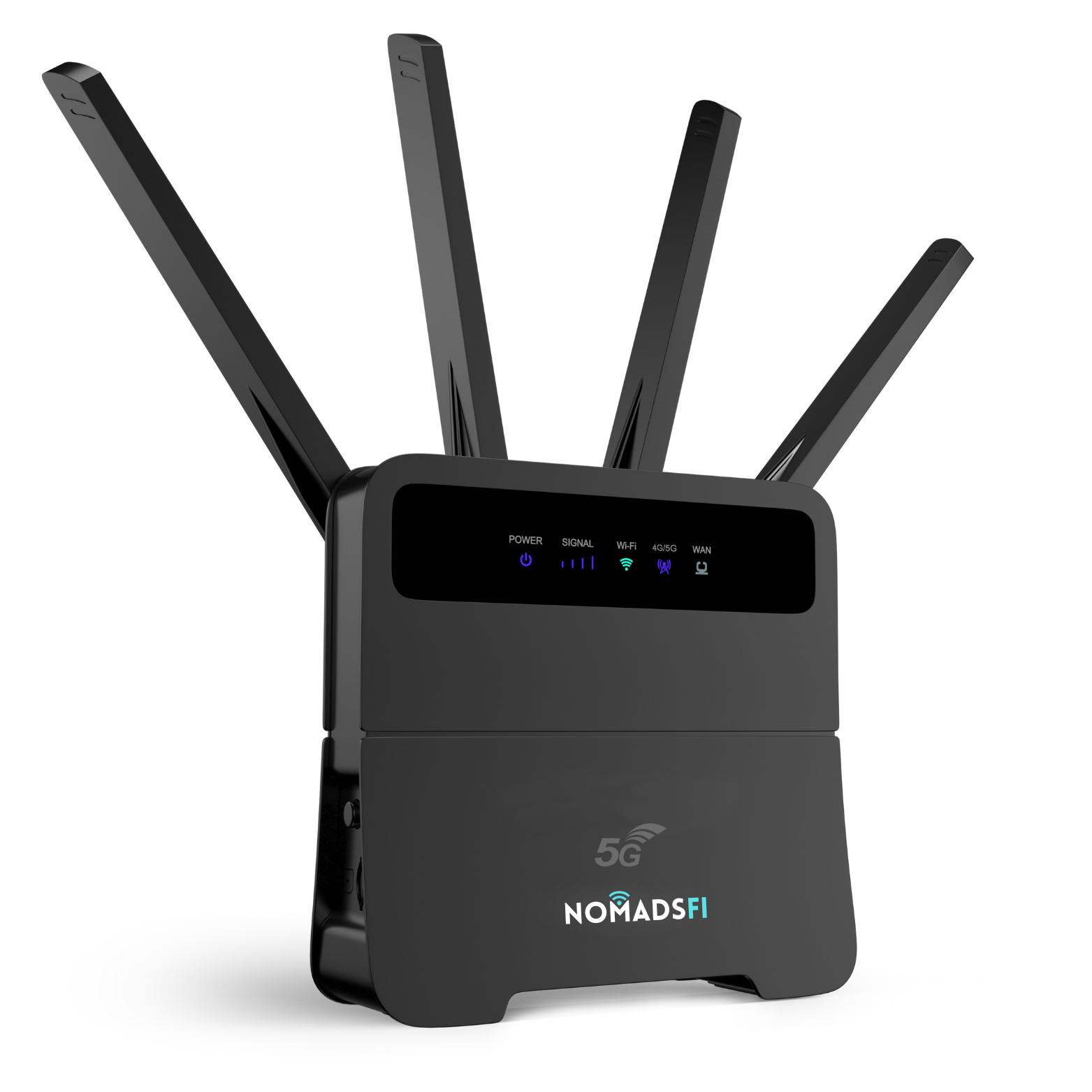
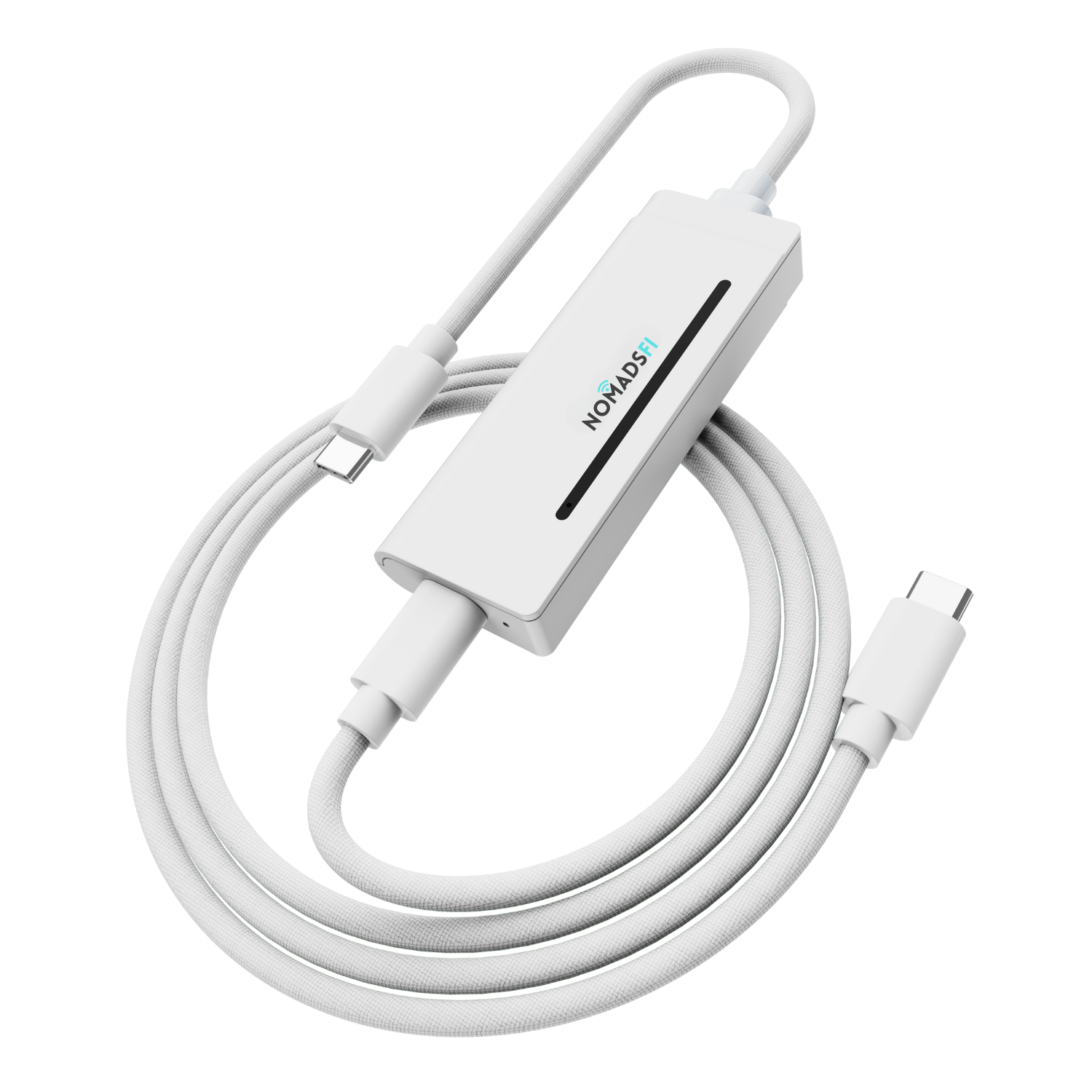
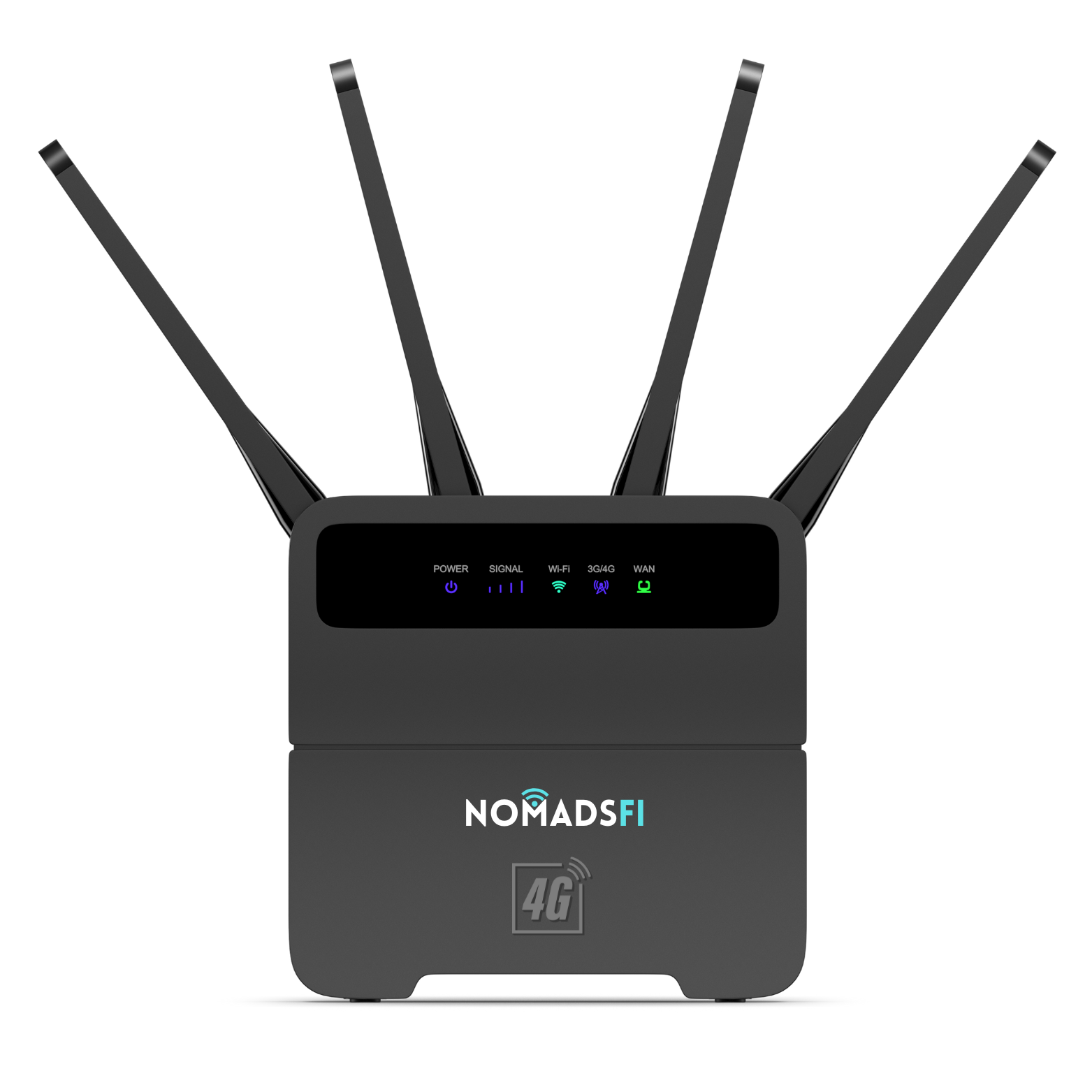
For international seafarers and sailors in that situation, NomadsFi PocketFi 5G offers a separate, reusable WiFi connection for personal devices. Arrange eligible data before arrival, then connect your phone or laptop aboard wherever supported land-based cellular service is usable. The same hotspot can travel with you between countries.
This guide covers personal seafarer WiFi in port, at suitable anchorages and near shore. NomadsFi's 200+ country coverage describes terrestrial service. A portable cellular hotspot needs a reachable supported network; it cannot supply internet in the open ocean beyond cellular reception.
Is portable WiFi useful for seafarers and sailors?
Our recommendation for a seafarer carrying several personal devices between countries is a dedicated NomadsFi hotspot, provided the itinerary has suitable cellular coverage and personal hotspots are permitted aboard. You can prepare service without relying on a shopping trip during a port call.
Portable WiFi for seafarers is particularly useful when a laptop or WiFi-only tablet also needs internet, or when a few colleagues want an agreed shared connection during time off. If you only use one compatible phone, a travel eSIM may be simpler. If the vessel already provides enough usable crew internet, try that service first.
| Your situation | A useful starting point | Check before relying on it |
|---|---|---|
| In port without time to go ashore | NomadsFi portable WiFi with eligible destination data | Cellular reception aboard, activation and vessel rules |
| Several personal devices or a small shared group | A dedicated hotspot with a suitable shared allowance | Combined data use, permitted sharing and where people will sit |
| One compatible phone | A travel eSIM or an existing roaming allowance | Phone compatibility, package coverage and tethering terms |
| A vessel with usable crew WiFi | The ship's provided personal internet service | Access hours, allowance, charges and permitted applications |
| Open-ocean passage outside cellular coverage | Approved vessel connectivity or eligible maritime satellite service | Operator permission, installation and ocean service terms |
Crew WiFi in port: when going ashore is not an option
A port call does not always leave time for a visit to a mobile shop. Crew WiFi in port is useful precisely because the ship can be close to a city while its crew have little opportunity to use services there. Preparing a connection before the voyage removes one errand from that short window.
There is practical industry experience behind this need. In its March 2022 report, the North American Maritime Ministry Association (NAMMA) described short turnaround times limiting access ashore and seafarer ministries placing mobile hotspots aboard ships. The report also documented difficulties delivering and collecting loan units when schedules change. These are historical observations, rather than a current count of ports offering that service.
Carrying your own mobile hotspot for seafarers avoids depending on a loan unit being available at each stop. Once compatible service is active and the hotspot reaches a supported network, your devices can join its WiFi from an approved place aboard.
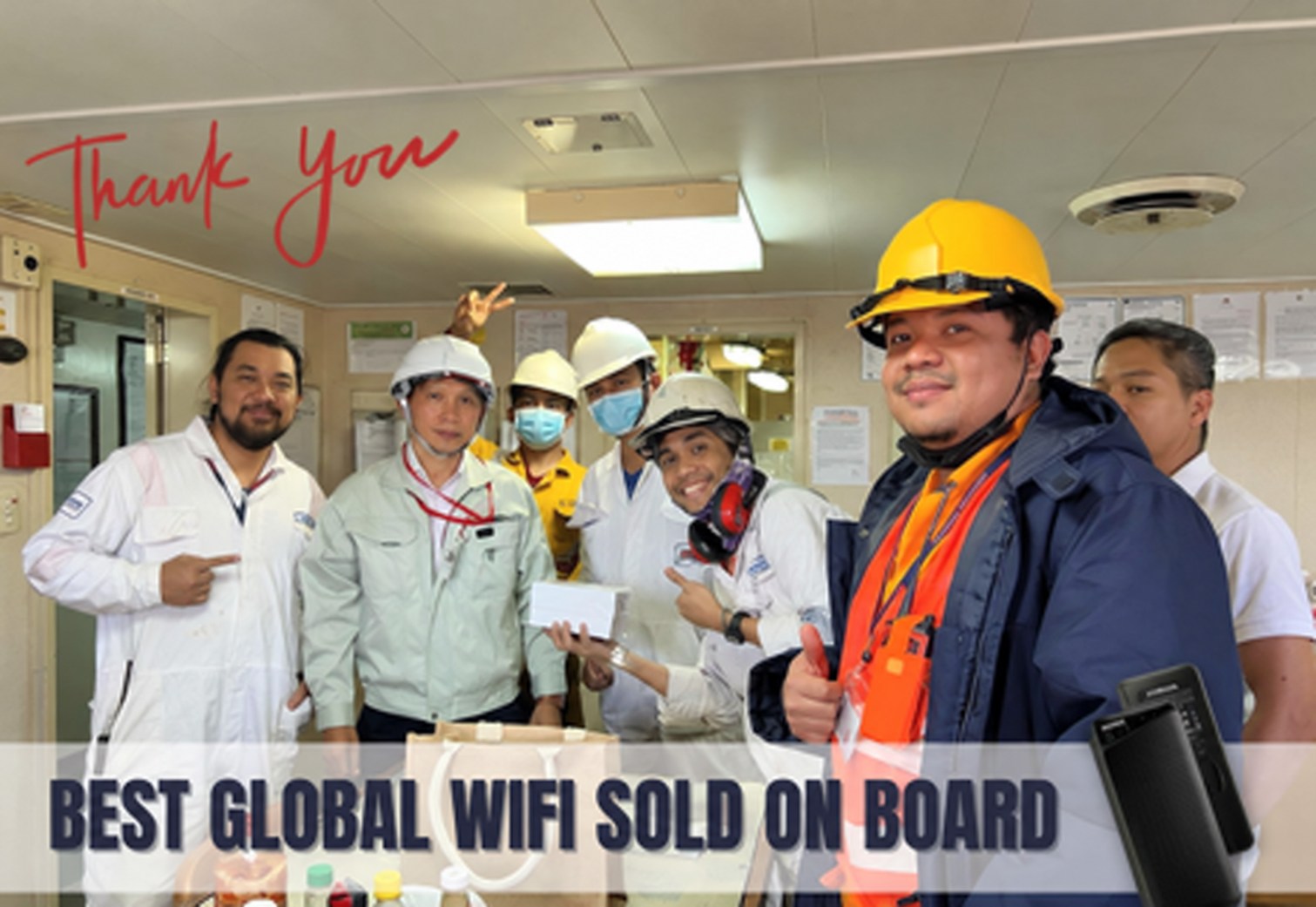
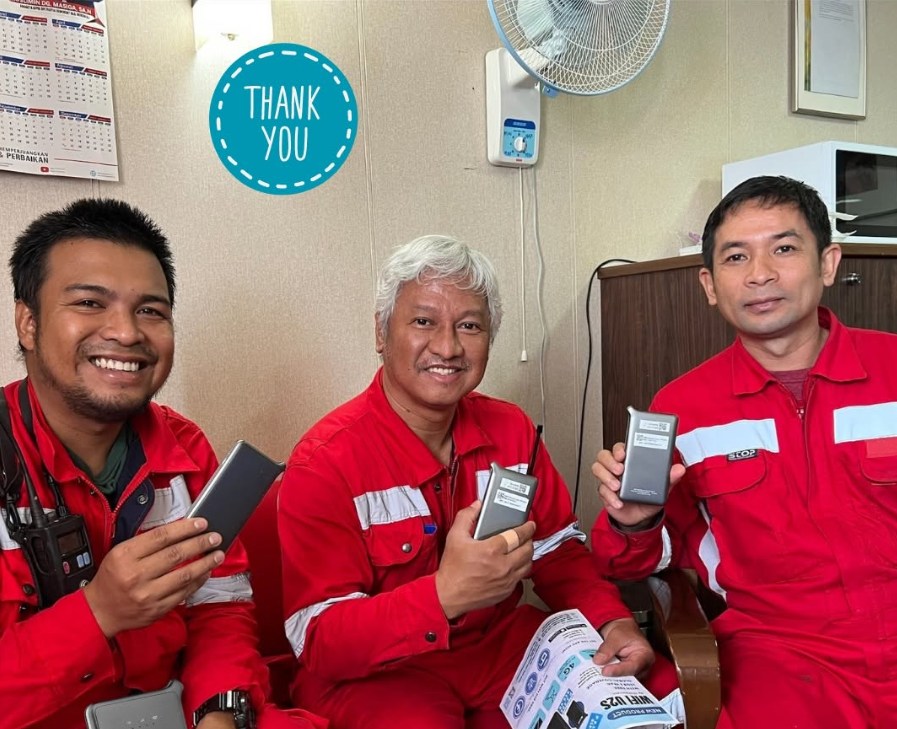
The shipboard photographs in this guide were supplied by NomadsFi and show seafarer customers with the equipment aboard. They bring the personal-use setting into view alongside the documented British Sailing Team project later in the article.

Signal at a port entrance and signal inside a cabin can be quite different. NAMMA also notes that steel ship interiors can weaken cellular reception. Test in the space you will actually use, keep the device dry and ventilated, and ask which locations are allowed. A service that works beside a window may struggle below deck.

International WiFi for sailors: one hotspot across 200+ countries
For crews whose itinerary crosses borders, the useful part is keeping the hardware and setup familiar. With eligible NomadsFi service, you can take the same hotspot to the next supported destination without shopping for another physical SIM. The phones and laptops you use keep joining that hotspot over WiFi.
NomadsFi's global service spans 200+ countries. For international WiFi for sailors, choose the package around the actual ports on your itinerary. That country count does not mean every regional plan includes every destination, or that a signal reaches every anchorage.
For example, someone planning calls in Singapore, the Netherlands and the United States should check all three destinations against the current coverage list and the selected package. This is a planning example, not a tested shipping route. Confirm validity dates and activation requirements while you still have another internet connection.
PocketFi 5G's NomadSwitch-AI carrier selection can use supported network options. Available carriers vary by location and purchased service. Switching networks may interrupt a session, and the hotspot cannot connect where no supported network is reachable.
For a wider explanation of this travel setup, see our portable WiFi hotspot travel guide.
Sailor WiFi for phones, laptops and a few crewmates
Your phone may be enough for messaging, but a larger screen is useful for a family call or an online course. A dedicated hotspot lets a laptop connect without depending on your phone to keep tethering. It also gives a shared group a device that can stay in an agreed location while one person takes their phone elsewhere.
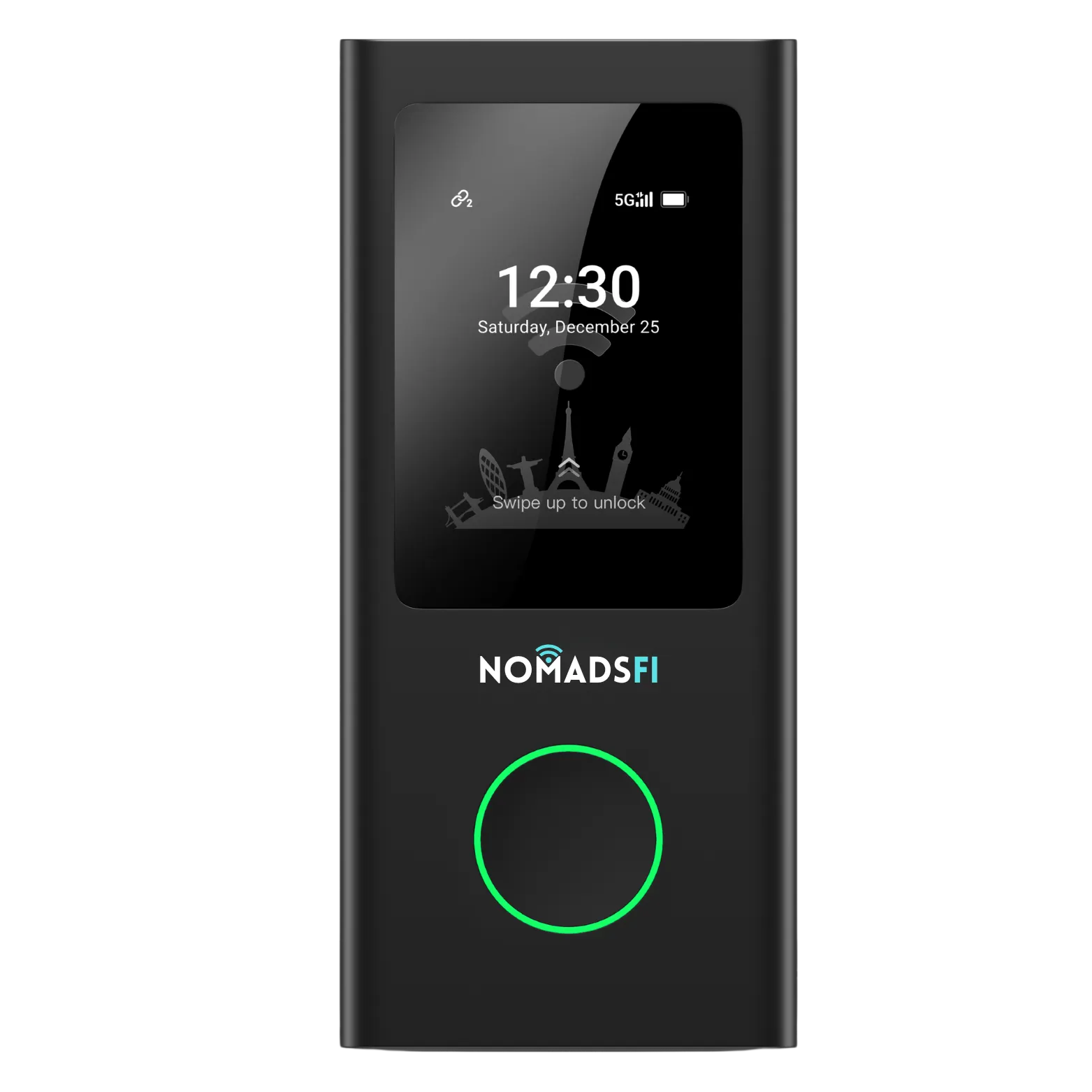
The NomadsFi device overview lists support for up to 16 connected WiFi devices on PocketFi 5G. A sailor WiFi setup can therefore include phones and compatible tablets or laptops that have no cellular modem of their own.
Those connections share the same bandwidth and data allowance. Sixteen connected devices do not mean sixteen simultaneous high-quality video calls. Start with the actual devices and users, then choose enough data for them. Check that your plan permits the intended sharing arrangement.
A laptop updating in the background can consume the allowance while someone else is calling home. Agree when to download large files, check usage regularly and use a private WiFi password. On a large ship, the hotspot's local WiFi range also matters: one portable device should not be expected to cover every cabin or deck.
eSIM vs portable WiFi for seafarers: which setup fits?
The eSIM vs portable WiFi for seafarers decision is about how you will use the connection. Both can be arranged before arrival. Both still need the kind of network their service uses, so a terrestrial travel eSIM does not solve an open-ocean coverage gap either.
A travel eSIM is convenient for one compatible, unlocked phone. It can also share data: Airalo's official help page says personal hotspot use is possible when supported by the device and network. Check your own provider's package and setup instructions.
| Consideration | NomadsFi portable WiFi | Travel eSIM in a phone |
|---|---|---|
| Device setup | The hotspot carries the cellular connection; personal devices join its WiFi | The host phone must support and accept the eSIM |
| Sharing | A separate device can remain with the shared group | Tethering can work if permitted; the host phone must remain available |
| Laptop or WiFi-only tablet | Connects to the hotspot's WiFi | Connects through the phone's hotspot when supported |
| Across countries | Reuse the hardware with eligible destination service | Use an eligible regional/global eSIM or arrange another package |
| Cost | Include hardware, data and any top-ups or renewals | Include the eSIM package and any sharing restrictions or top-ups |
| Away from shore networks | Needs usable supported terrestrial cellular reception | A terrestrial travel eSIM also needs usable cellular reception |
NomadsFi is our preferred arrangement for repeated port calls with several personal devices or a small shared group. The separate hardware keeps the group's connection from relying on one person's phone. For a solo user whose phone already supports a good-value eSIM, buying another device may add little benefit.
Our travel eSIM vs portable WiFi guide covers this choice in more detail.
Affordable merchant navy internet: compare the whole voyage
For merchant navy internet, compare what you will spend over the contract or the set of port calls where you expect to use it. Hardware can serve across repeated trips, but the data still needs to match your destinations. A low advertised domestic rate tells you little about the cost of a multi-country voyage.
Use a simple comparison: hardware allocated to the trips you expect to use it for, plus the correct packages, top-ups and any renewal charges. Divide by the people sharing only when that sharing is permitted and everyone can use the connection where it sits.
The current plan page lists Zone A AutoPay examples of 5GB for $25 and 10GB for $35. These are regional plan listings with renewal terms to check, not prices for every country on your route. The PocketFi 5G page lists the device-only option at $299.99 when reviewed for this guide.
If three colleagues share an eligible $25 package, the data-plan portion is about $8.33 each, before hardware and any additional charges. They also share the same 5GB allowance. That calculation shows how pooling can spread a cost; compare it with the actual eSIM or roaming offers each person would otherwise buy.
Check country eligibility, duration, allowance and renewal rules before paying. Also ask what internet the vessel already provides. A free or adequate included connection can be better value than purchasing another service.
For lighter use, save the allowance for messaging, voice calls and short video calls. Turn off automatic photo backups and large downloads on connected devices where appropriate. If several people plan to stream or make video calls together, budget for their combined use and the bandwidth available at the berth.
A coastal reliability reference: Simon and the British Sailing Team
Our British Sailing Team connectivity case gives a documented example of NomadsFi equipment being used on the water. Simon, the team's meteorologist, describes six weeks using NomadsFi 5G routers in Los Angeles during preparation for the 2028 Olympics.
“We found them to be really reliable”
In separate feedback shared with NomadsFi, the team reported frequent signal loss with earlier hotspots and almost no disconnections during this training block. They said the continuity helped training efficiency and the completeness of their data. This additional feedback is distinct from Simon's video testimony.

The account supports testing NomadsFi for a coastal connection. It gives no measured uptime percentage or maximum offshore distance, and it cannot predict reception inside a cargo ship's cabin. For seafarers, that means checking service at the actual berth or anchorage before relying on it for a scheduled call.
Internet for seafarers: make time for the call home
A long voyage can make an ordinary conversation worth planning for. Tell family which port calls may offer a chance to talk and allow for changes in the ship's schedule. A short voice message can be easier to send than arranging a live video call across time zones.
ISWAN's work on seafarers and their families describes the importance of internet contact and helping families use it to maintain healthy relationships. Internet for seafarers is useful when it makes those everyday conversations possible.
Agree what a missed call means before leaving. Duties, a moved berth or a patch of poor reception can change the plan. Keep a way to leave a message when a live conversation is impractical, and use the vessel's approved personal communication service during passages beyond cellular coverage.
For readers considering a similar portable setup aboard a private boat, our yacht and liveaboard internet guide compares dockside cellular connections with installed marine equipment and satellite service.
How to prepare seafarer WiFi before the next voyage
Check the itinerary and arrange activation
List the countries and the likely dates when you will use data. Confirm the device and package together, including whether setup or activation needs another internet connection. Ask NomadsFi support about your itinerary before sailing if a destination or package is unclear.
Confirm where personal hotspots are allowed
Follow the vessel's rules for personal radio devices, charging and equipment placement. Keep this connection separate from navigation, safety and operational systems. Use only approved equipment in hazardous areas.
Test the connection where you will use it
While usable land-based service is available, check a message, a voice call and your laptop. Try the permitted rest area or cabin rather than assuming a signal elsewhere aboard proves reception there. Recheck after moving to another berth or anchorage.
Set sharing and data expectations
Use a private WiFi password, agree who can join, and check the plan's sharing terms. Review data use after an ordinary session. Charge the hotspot according to its instructions and keep it away from spray, heat and wet surfaces.
Plan for the passage between ports
A portable cellular hotspot will lose its internet path beyond supported reception. For ocean passages, use approved vessel service or evaluate an authorized maritime satellite arrangement. Starlink's ocean-use guidance illustrates why suitable hardware and the right service terms must be checked separately from land coverage.
Frequently asked questions
What is the best WiFi for seafarers in port?
A dedicated NomadsFi hotspot is a useful option for several personal devices or a small shared group where supported cellular service is usable. Compare it with the vessel's existing crew WiFi and a phone eSIM, and check permission to use a personal hotspot.
Can I get internet aboard without going ashore to buy a SIM card?
Yes, if you arrange compatible service and complete any required setup before arrival. An active hotspot can connect aboard when a supported network reaches it. Buying service in advance does not establish reception at every berth or anchorage.
Does NomadsFi work in 200+ countries for international sailors?
NomadsFi advertises service across 200+ countries. Your device and chosen package must cover the destinations you visit. Country coverage refers to terrestrial service and does not guarantee reception offshore or inside a ship.
How many devices can use PocketFi 5G?
NomadsFi lists up to 16 connected WiFi devices. They share the available connection and data allowance. Check coverage within the space where people will use it and the package terms for your sharing arrangement.
Is portable WiFi better than an eSIM for sailors?
A separate hotspot can suit repeated trips, WiFi-only devices and a small group that wants the connection to stay in one place. A travel eSIM may suit a solo user with a compatible phone. Many eSIMs allow tethering; check the provider, device and package.
Is shared seafarer WiFi always cheaper?
No. Compare hardware, the correct destination packages and any renewals or top-ups against the alternatives. Sharing permitted data can spread costs, but your existing roaming allowance or vessel-provided internet may already cover your needs.
Will a mobile hotspot work in the open ocean?
A cellular hotspot needs a usable supported terrestrial network. Being near a coast does not establish reception, and there is no universal offshore range. Use approved ship connectivity or eligible maritime satellite service beyond cellular coverage.
What does the British Sailing Team case show about reliability?
Simon reports reliable NomadsFi equipment during six weeks of Los Angeles training for the 2028 Olympics. Additional project feedback describes very few interruptions. This is a customer experience with video and photos, not a measured uptime guarantee or a test inside merchant ships.
Plan your next port-call connection with NomadsFi
If you want a connection that can stay with your personal devices across countries, start with your next itinerary. Confirm eligible data and prepare the hotspot before boarding, then test it where you will use it aboard.
Check destination coverage and current data packages, or contact NomadsFi with your planned countries and number of devices.
Sources and further reading
Written by NomadsFi Team. Product and service pages reviewed on October 24, 2026. NAMMA's report is dated March 2022; the sailing evidence describes a separate coastal customer project. This guide contains no independent merchant-vessel performance test.
- NAMMA: Internet Hotspots for seafarers while in port (March 2022)
- Airalo Help Center: personal hotspot and tethering
- ISWAN: relationships between seafarers and their families in a digital era
- Starlink: ocean use, hardware and service eligibility
- NomadsFi PocketFi 5G and supported carrier selection
- NomadsFi device overview: up to 16 connected devices
- NomadsFi destination coverage
- NomadsFi current regional and global data packages
- NomadsFi global service: 200+ countries
- Simon, British Sailing Team meteorologist: customer video
- British Sailing Team case: video, project photos and source details
- Original UK sailing team customer story