
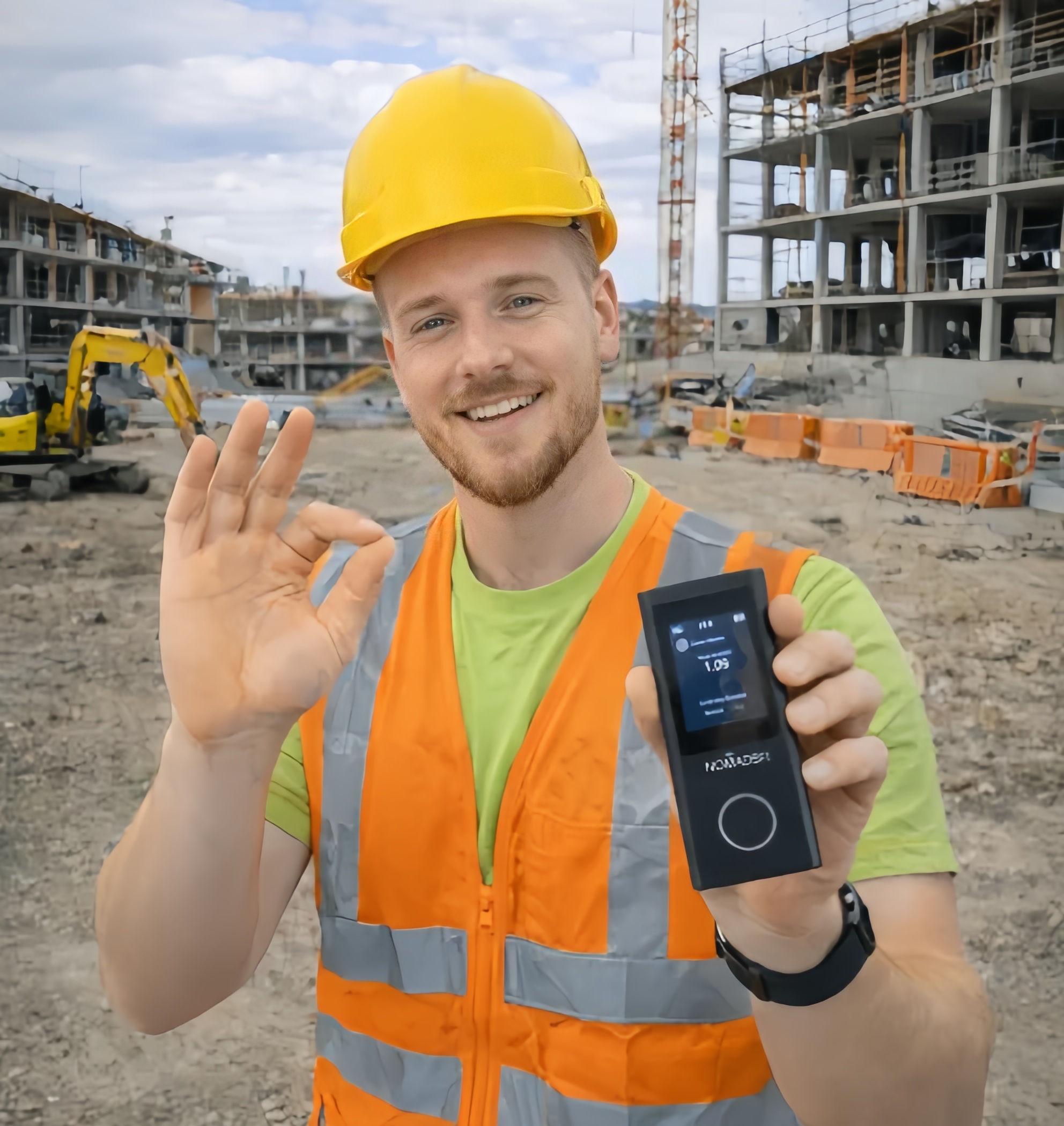
Best Internet for Construction Sites: A Flexible Way to Get Jobsite Connectivity Fast
Construction sites depend on internet more than many people realize. Teams need to access drawings, upload progress photos, coordinate subcontractors, check schedules, process updates, and stay in touch with suppliers and clients. But most jobsites are temporary, changing, or not ready for fixed broadband when work begins. That mismatch creates daily friction.
For many crews, the internet problem shows up quietly at first. A file takes too long to load. A supervisor walks around looking for signal to send a message. A project update gets delayed because someone cannot access the latest document. Then the cost compounds. When internet access is weak, slow to set up, or unreliable, the site loses time, momentum, and coordination.
NomadsFi fits this gap well. It is not about turning a jobsite into a complicated network project. It is about making internet access simpler, more flexible, and easier to deploy where work is actually happening.
The problem section
Construction work moves fast, but internet setup often does not. Many sites begin before permanent connectivity is installed. Others are in developing areas, edge-of-town lots, or temporary build zones where getting traditional broadband in place can take longer than the team can afford.
When there is no dependable connection, common jobsite tasks become harder than they should be:
- project managers cannot quickly pull up updated plans or documentation
- field teams struggle to send photos, videos, or issue reports
- subcontractors lose time waiting for instructions or confirmations
- cloud-based tools become frustrating to use on site
- invoices, approvals, and delivery coordination get delayed
This is not just a technology inconvenience. It affects the rhythm of the site. Construction is already full of moving parts, deadlines, and dependencies. Weak connectivity adds one more avoidable source of delay.
Why poor connectivity creates real jobsite costs
The most obvious cost is lost time. If workers need to leave the active area of the site just to get enough signal for a call or file upload, that is wasted effort. If updates are sent late because the internet is unreliable, small issues stay unresolved longer.
The less obvious cost is coordination risk. Construction relies on everyone working from the latest information. If one crew is using an outdated drawing because the newest file was difficult to access, mistakes become more likely. If a supplier change is not shared quickly, downstream tasks may get disrupted.
And then there is professionalism. Clients, vendors, and office teams expect timely responses. If the site is difficult to reach or documentation is always delayed, the operation looks less organized than it actually is.
Why traditional options fall short
The usual internet options for construction sites often break down because they were not designed for temporary, active worksites.
Fixed broadband is often too slow or too rigid
Traditional broadband works well when the location is stable and installation timing is predictable. Construction sites are neither. The project may only need site internet for a few months. The work zone may shift. The building may not be ready for normal installation. Waiting on a fixed-line setup can leave teams stuck during the most active early phase of a project.
Even when broadband is eventually available, it may not solve the immediate need for fast deployment.
Phone hotspots are useful, but weak as a daily system
Many crews fall back on personal hotspots or tethering. That can work for short-term emergencies, but it is a poor long-term routine. It depends on individual devices, personal plans, battery life, and inconsistent signal conditions. It also creates an informal system where connectivity depends on who is on site and whose phone happens to work best that day.
That is not a stable foundation for a team trying to run modern workflows.
Public or borrowed networks are inconvenient and unreliable
Some sites try to use nearby office WiFi, neighboring coverage, or improvised access points. That can create patchy service, weak range, and unnecessary complexity. It also means the site team is working around the network instead of the network supporting the work.
Heavy solutions are not always the right fit
Some businesses look at larger, more permanent connectivity systems for a temporary need. In some cases that makes sense, but for many jobsites it adds cost, setup effort, and commitment that do not match the project. A lighter solution is often the better answer.
How NomadsFi helps
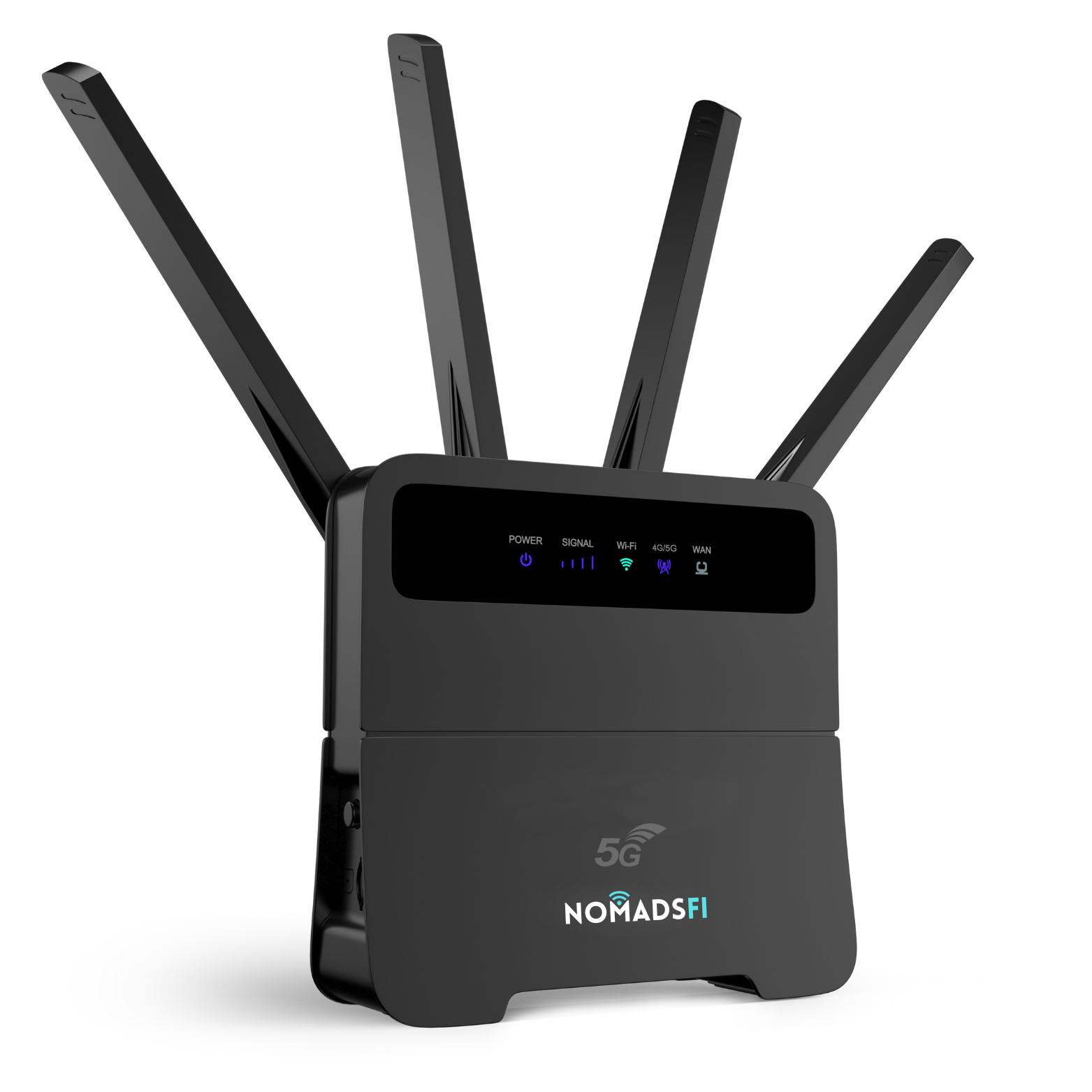
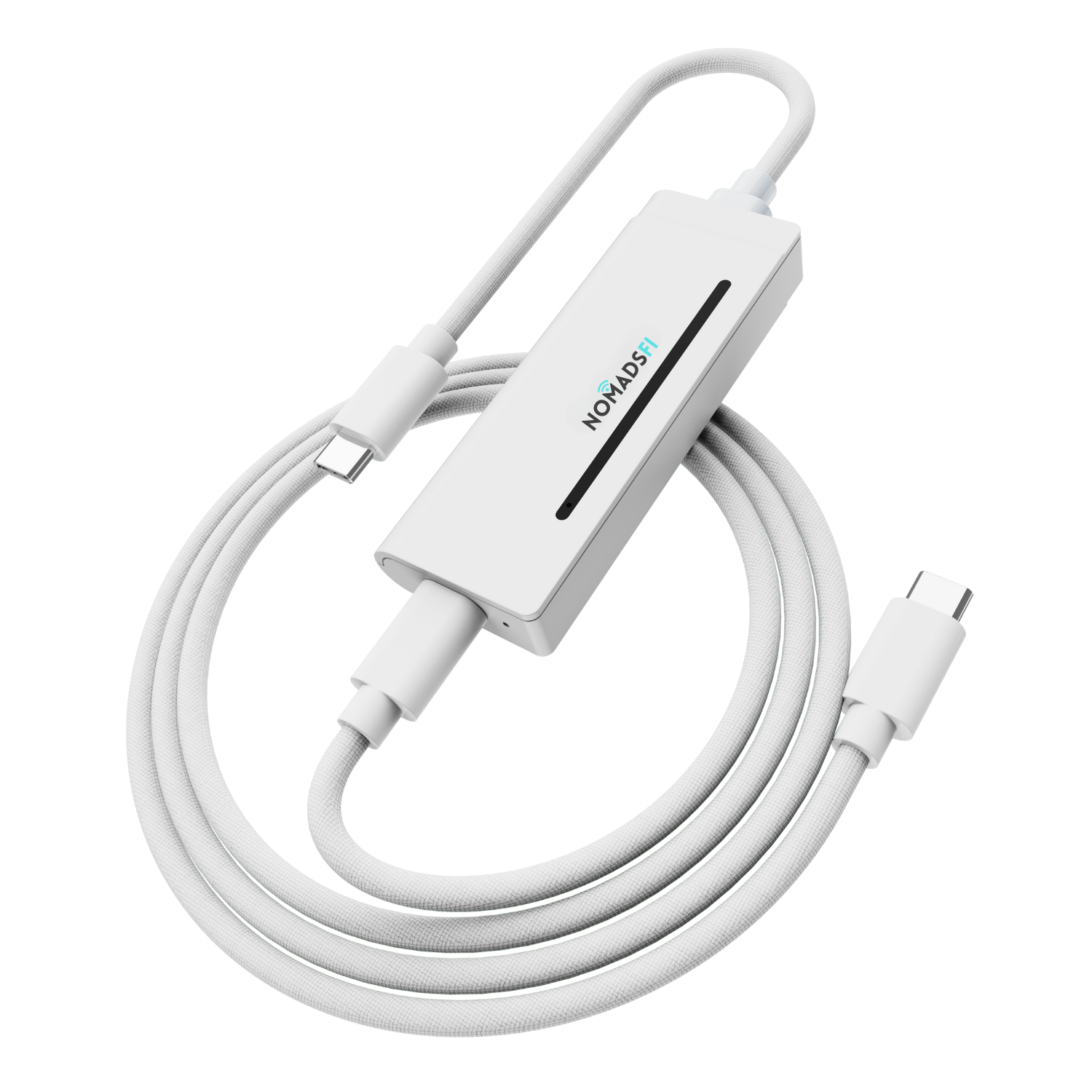
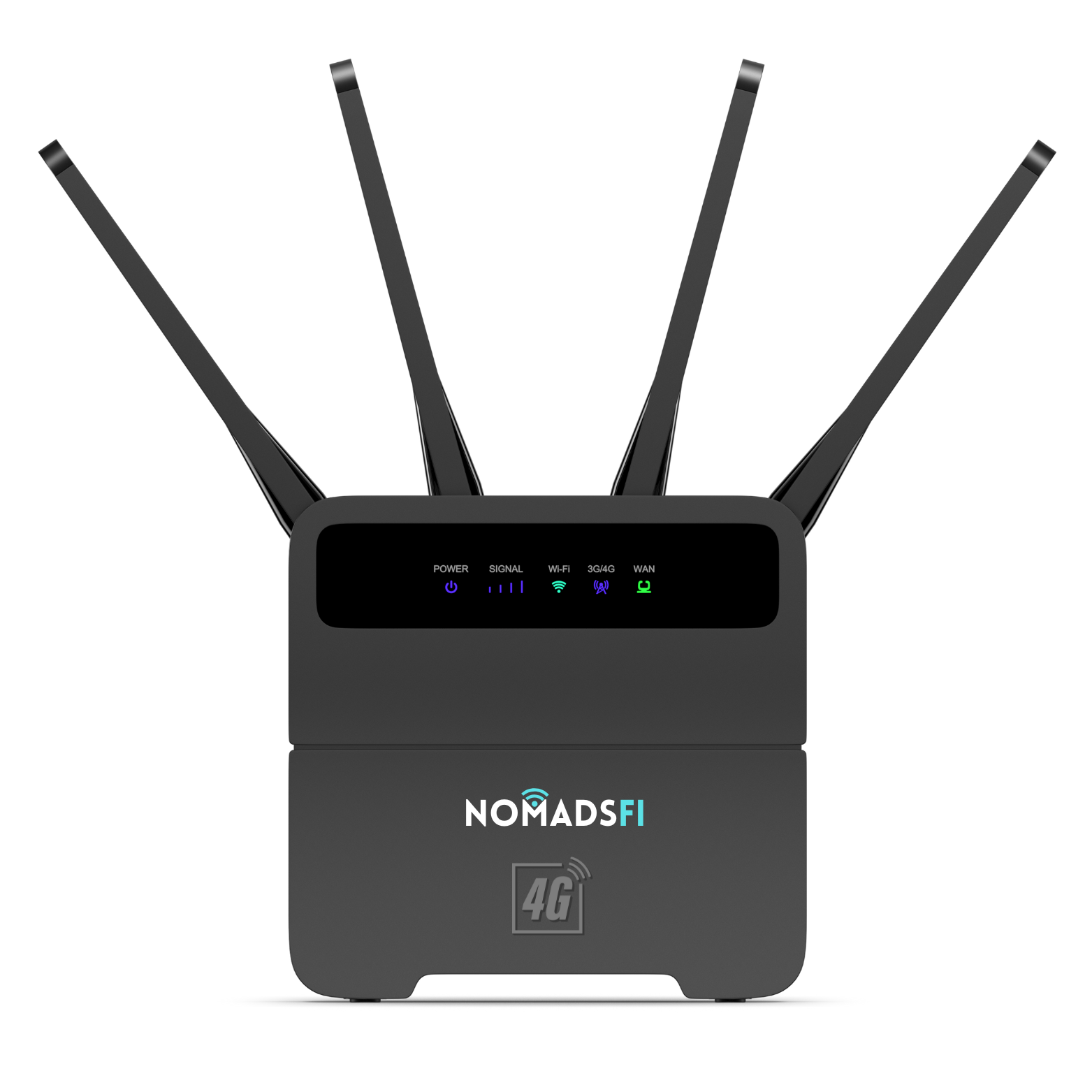
NomadsFi works well for construction sites because it is designed around flexibility. Instead of waiting for a traditional install or relying on improvised hotspots, teams get a lighter way to bring internet access to where the work is happening.
That matters for several reasons.
Faster deployment for active worksites
Construction schedules do not pause while connectivity gets sorted out. A portable, flexible internet option helps teams get online sooner, so they can support coordination, communication, and digital workflows from the start of the project.
Better fit for temporary or changing site conditions
Construction projects evolve. Offices move. Work zones shift. Temporary trailers come and go. A more portable internet setup makes more sense than infrastructure that assumes the site will stay the same.
Easier support for cloud-based tools and communication
More construction teams now rely on shared files, jobsite apps, cloud reporting, and fast message coordination. NomadsFi helps support those day-to-day needs without forcing teams into a heavy setup process.
A more practical backup mindset
Even if a site eventually gets fixed broadband, a flexible connection option still matters. Internet problems do not wait for convenient timing. NomadsFi can help fill the gap before installation or act as backup when the primary line is unavailable.
Best use cases
NomadsFi is especially useful in construction scenarios like these:
New jobsites before fixed internet is available
Early-stage projects often need connectivity before the site is fully built out. This is one of the clearest use cases.
Temporary site offices and trailers
Job trailers and temporary offices need internet for admin work, scheduling, documentation, and coordination, but not every project justifies a heavy installation.
Renovation or redevelopment zones
In redevelopment or phased construction environments, the network situation can change as the site changes. Flexible internet is easier to adapt.
Backup internet for active projects
If the primary connection fails, communication and coordination can stall quickly. A backup option helps reduce disruption.
Smaller contractors who need simpler deployment
Not every builder has dedicated IT support or the time to manage complicated setup. A lighter option is easier to put to work.
FAQ
What is the biggest internet challenge on construction sites?
The biggest issue is usually not total lack of signal. It is the mismatch between fast-moving site needs and slow, rigid internet options. Teams need something that works quickly and adapts to temporary conditions.
Why is phone tethering not enough for a jobsite?
It helps in short bursts, but it is unreliable as a team-wide system. It depends on personal devices, battery life, and variable mobile performance, which makes it a weak long-term setup.
Is fixed broadband still useful for some construction sites?
Yes. For long-duration projects or stable site offices, it may still make sense. But many teams need something faster and more flexible before that setup is ready.
When does backup internet matter most on a jobsite?
It matters when project updates, approvals, file access, or communication cannot stop just because the main line is down. Even short outages can create workflow disruption.
Who benefits most from a flexible construction site internet option?
General contractors, project managers, site supervisors, subcontractor teams, and any business running digital workflows from temporary or changing worksites.
Conclusion
Construction sites are built around motion, deadlines, and coordination. Internet should support that pace, not slow it down. When traditional options are too slow to install, too rigid for the site, or too unreliable in daily use, teams need a simpler path.
NomadsFi gives construction businesses a lighter, more flexible way to stay connected on site. Whether the goal is getting online fast, supporting daily coordination, or adding a practical backup, it helps crews work with less friction and fewer delays.
If your jobsite still depends on weak hotspots, borrowed WiFi, or waiting for fixed installation, it is probably time for a setup that actually matches how construction works.