
.png?w=1000&h=1000)
Best Internet for International Travel: A Smarter Way to Stay Connected Abroad
International travel opens up the world. But the moment you land, you often run into a surprisingly basic problem: how do you get online without paying too much, wasting time, or settling for a connection that barely works?
Roaming plans sound simple until the bill arrives. Local SIM cards seem cheap until you spend an hour at a kiosk trying to figure out which one works for your phone. And hotel WiFi feels reliable until everyone in the building is streaming at the same time and your video call drops.
For frequent travelers, digital nomads, and anyone who needs dependable internet on the move, the connectivity problem is real. It affects navigation, bookings, communication, work, and even safety.
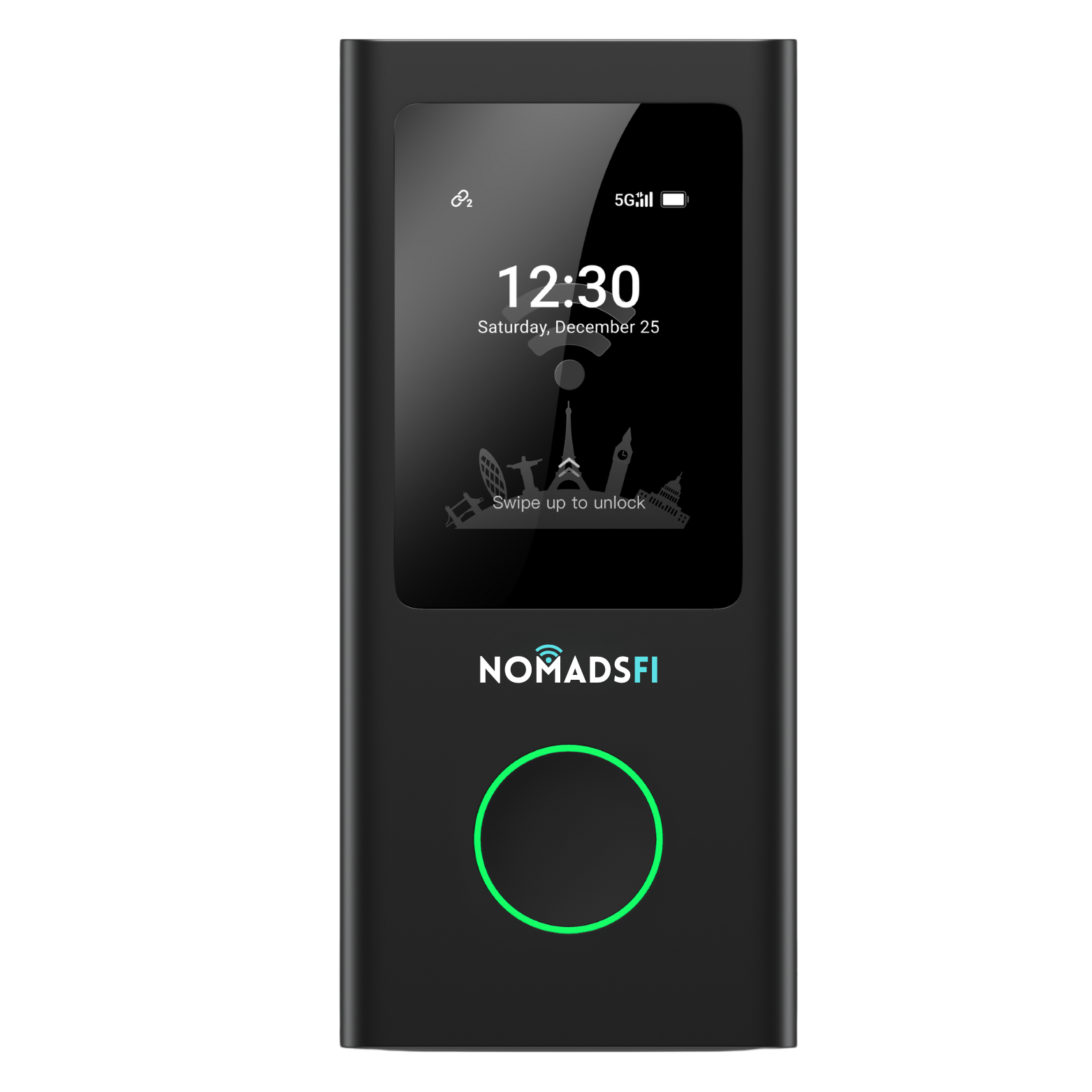
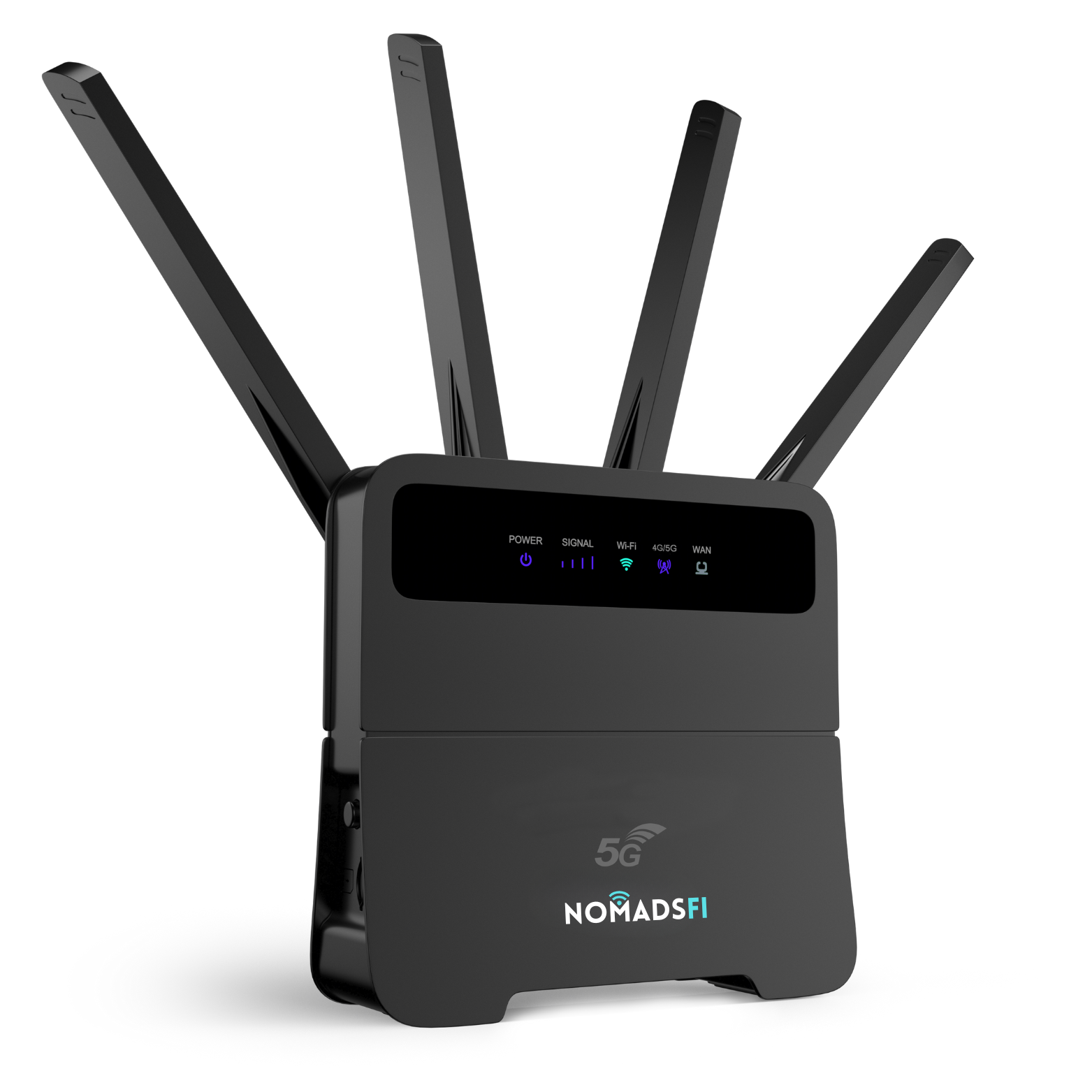
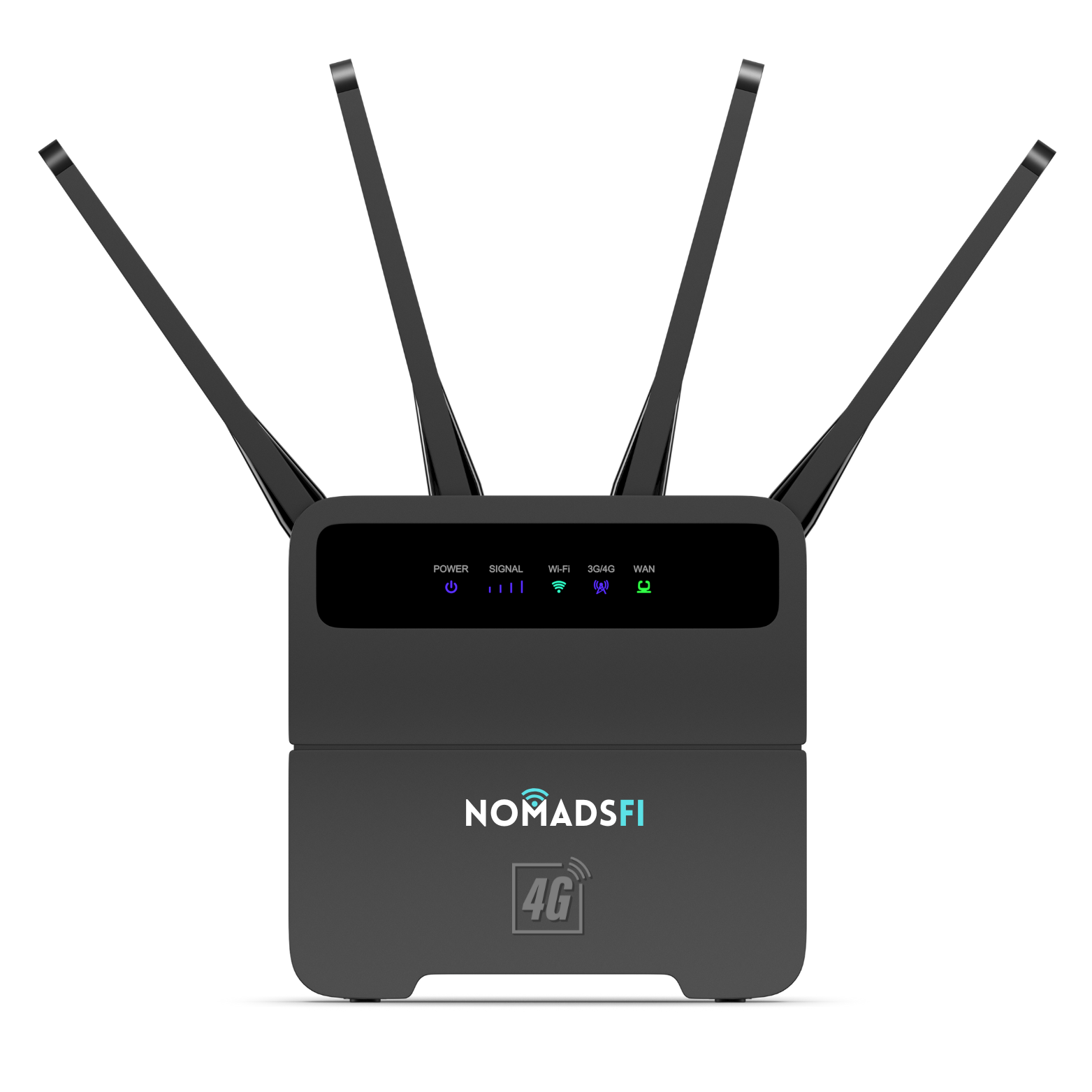
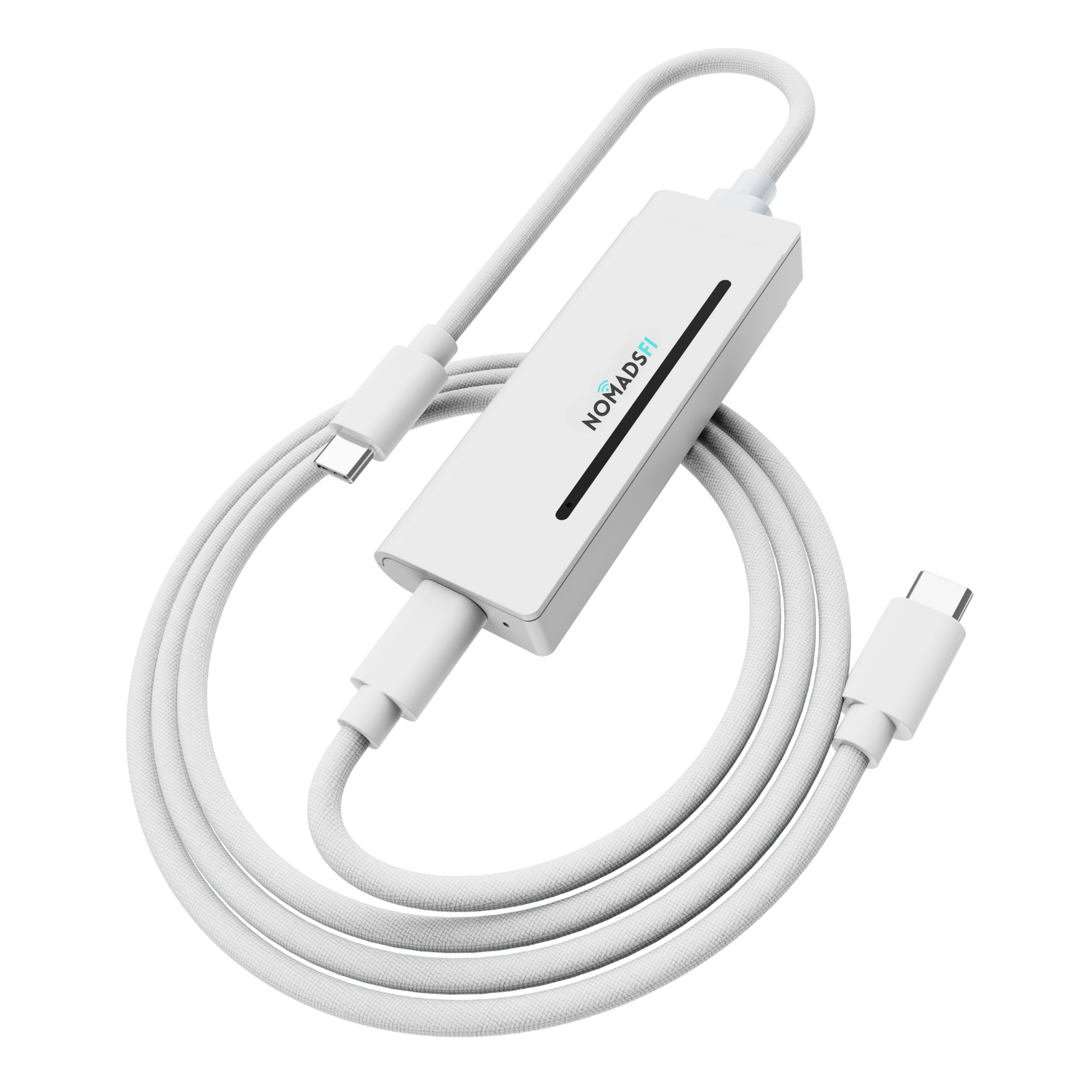
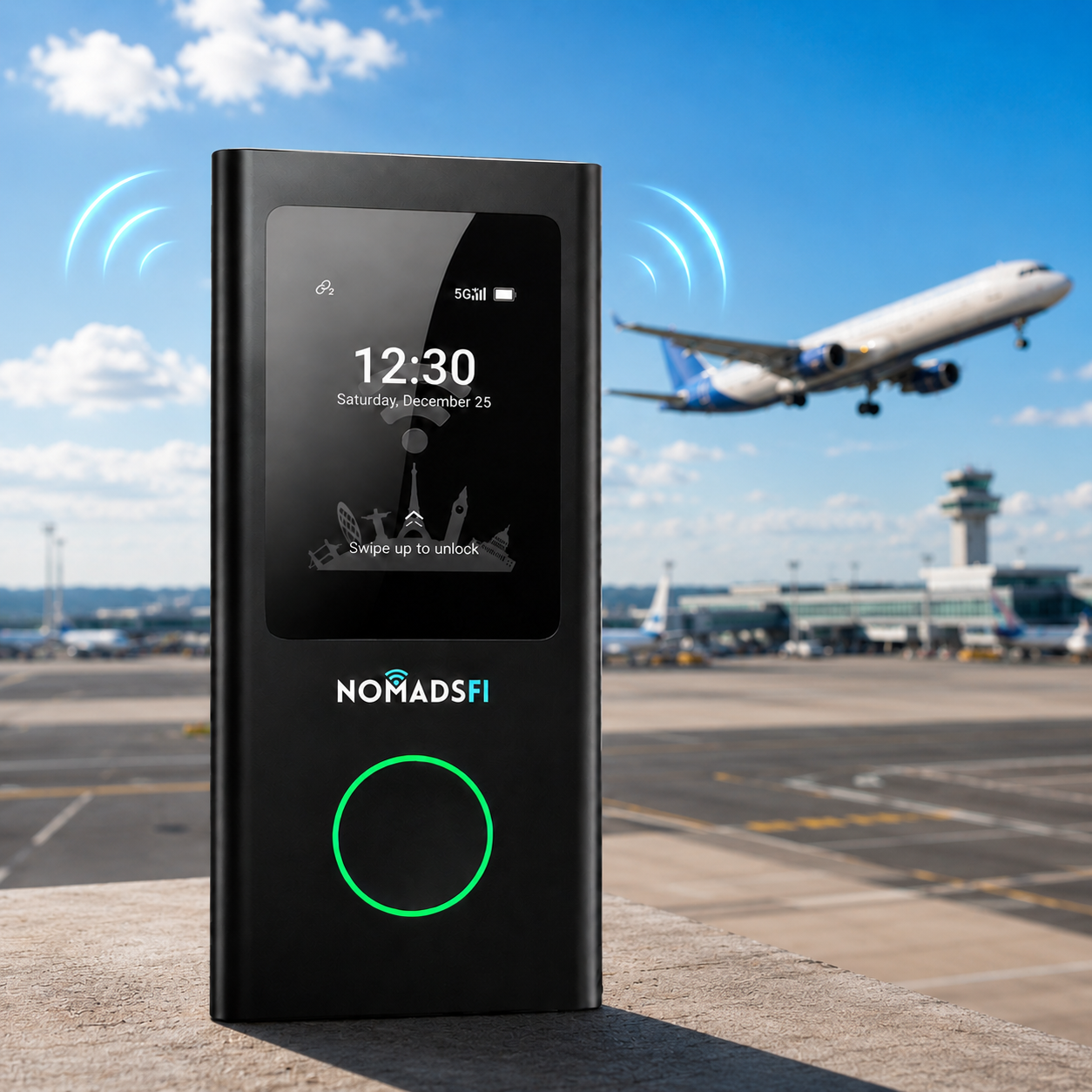
NomadsFi helps solve this with a more flexible, portable internet option designed for people who cross borders and need connectivity that keeps up with them.
The problem section
Staying connected while traveling internationally is harder than most people expect before their first trip. The challenges start at the airport and follow you through every city, hotel, and transit stop.
Common frustrations include:
- roaming charges that add up quickly without warning
- incompatible SIM cards or locked phones that reject local carriers
- public WiFi networks that are slow, crowded, or insecure
- gaps in coverage between cities, islands, or rural stops
- difficulty finding or setting up local data plans in unfamiliar languages
Each of these issues seems small on its own, but together they create a layer of friction that affects how smoothly your trip runs.
Why travel internet problems are more than just annoying
For leisure travelers, a bad connection might mean missing a reservation, struggling with maps, or being unable to share photos. That is frustrating but survivable.
For business travelers and remote workers, the stakes are higher. Missed calls, failed uploads, dropped video meetings, and delayed responses can damage professional relationships and create real costs.
Even for casual travelers, internet access is tied to safety. Being able to look up emergency numbers, contact your embassy, navigate unfamiliar areas, or check transport schedules matters. When the connection fails at the wrong moment, it is not just inconvenient — it can be stressful or risky.
Why traditional options fall short
Most travelers rely on one of a few familiar methods. Each has strengths, but all of them have meaningful drawbacks.
Roaming plans are expensive and unpredictable
Many phone carriers offer international roaming add-ons. They sound convenient, but they often come with high daily rates, data caps that run out faster than expected, and no guarantee of consistent speed. Some travelers come home to bills that are much larger than they anticipated.
Roaming also depends entirely on your home carrier's partnerships. If the local network in your destination is weak, your roaming plan does not help.
Local SIM cards take time and effort
Buying a local SIM card can save money, but it is not always simple. You need to find a shop, choose the right plan, make sure your phone is unlocked, and sometimes navigate a setup process in a language you do not speak.
For short trips, the time spent getting a local SIM can eat into your first day. For multi-country trips, you may need to repeat the process at every border.
Hotel and cafe WiFi is unreliable
Free WiFi is widely available in hotels, cafes, and airports. But availability does not equal quality. Shared networks slow down when many users connect. Speeds can be inconsistent throughout the day. And security is a genuine concern on public networks, especially when handling banking, email, or work logins.
Pocket WiFi rentals add complexity
Renting a pocket WiFi device at the airport is an option in some countries. It works for some travelers, but it requires picking up and returning the device, managing battery life, and often paying daily rental fees that add up over longer trips.
How NomadsFi helps
NomadsFi gives international travelers a simpler, more portable way to stay connected across destinations without the usual hassle.
Works across countries without swapping SIMs
Instead of buying a new SIM at every border or paying roaming fees to your home carrier, NomadsFi offers a more flexible connection approach that adapts as you move. That reduces friction and saves time.
Portable and easy to carry
Travel gear needs to be light and simple. NomadsFi fits into a travel bag easily and does not require complicated setup, technical knowledge, or long instructions.
More reliable than shared networks
When you depend on internet for navigation, bookings, calls, or work, shared WiFi is a gamble. NomadsFi gives you a more dependable option that is not at the mercy of hotel bandwidth or cafe crowding.
Practical for both short trips and longer stays
Whether you are traveling for a week or living abroad for months, a flexible internet option scales with your needs. There is no need to commit to a long-term contract or figure out a new provider every time you move.
Best use cases
NomadsFi is especially useful for international travelers in these situations:
Business trips with video calls and deadlines
When you need to join meetings, send files, or respond to clients from a different time zone, connectivity quality directly affects your professional performance.
Multi-country trips across different carriers
Traveling through several countries means dealing with multiple networks. A single portable solution is easier than managing separate SIM cards or roaming plans.
Extended travel or digital nomad lifestyles
People living abroad for weeks or months need internet that works consistently without the commitment of local contracts or the expense of continuous roaming.
Family travel with navigation and communication needs
Families relying on maps, ride apps, translation tools, and group messaging need connectivity that works reliably for everyone, not just one person with a local SIM.
Solo travelers who prioritize safety and independence
Being able to navigate, book transport, and communicate independently matters more when you are alone in an unfamiliar place.
FAQ
Do I still need a SIM card if I use NomadsFi?
It depends on your needs. NomadsFi provides internet access for data-heavy tasks like browsing, video calls, and navigation. You may still want a SIM for phone calls or as a backup, but many travelers find they can rely primarily on a portable connection.
Is portable internet fast enough for video calls while traveling?
Yes, in most destinations. Performance depends on local network conditions, but a dedicated portable connection is typically more stable than shared hotel or cafe WiFi for real-time calls.
How does this compare to roaming?
Roaming is convenient but often expensive and dependent on your carrier's agreements. NomadsFi offers a more cost-predictable and flexible alternative without the per-day roaming charges.
What happens if I visit a country with weak coverage?
No internet option works perfectly everywhere. But a flexible, portable solution generally adapts better than a fixed roaming plan because it is not locked to a single carrier's network.
Who benefits most from portable travel internet?
Frequent travelers, remote workers, digital nomads, business travelers, and families on multi-destination trips benefit the most from having a reliable, portable connection option.
Conclusion
International travel should be about the experience, not about fighting with your internet connection. Between expensive roaming, confusing SIM cards, and unreliable public WiFi, the current options create more friction than they solve.
NomadsFi offers a simpler way forward. A portable, flexible internet option that works across borders, fits in your bag, and keeps you connected without the usual stress.
If your travel routine includes hunting for WiFi, worrying about roaming bills, or spending your first day in a new country at a phone shop, there is a better way to stay connected.