
.png?w=1000&h=1000)
Internet for Remote Areas: A Practical Option When Broadband Is Not Available
Living or working in a remote area changes the way people think about internet. In a city, connectivity is often treated like a given. In remote regions, it is a daily variable. Sometimes there is no fixed broadband at all. Sometimes the available option is too slow, too expensive, or too complicated to install. And sometimes the connection technically exists, but it is too unreliable to count on when it actually matters.
That creates a real problem for people who need internet for work, navigation, coordination, learning, business operations, or simply staying in touch. The challenge is not only about getting online. It is about finding an option that is realistic for places where infrastructure is limited.
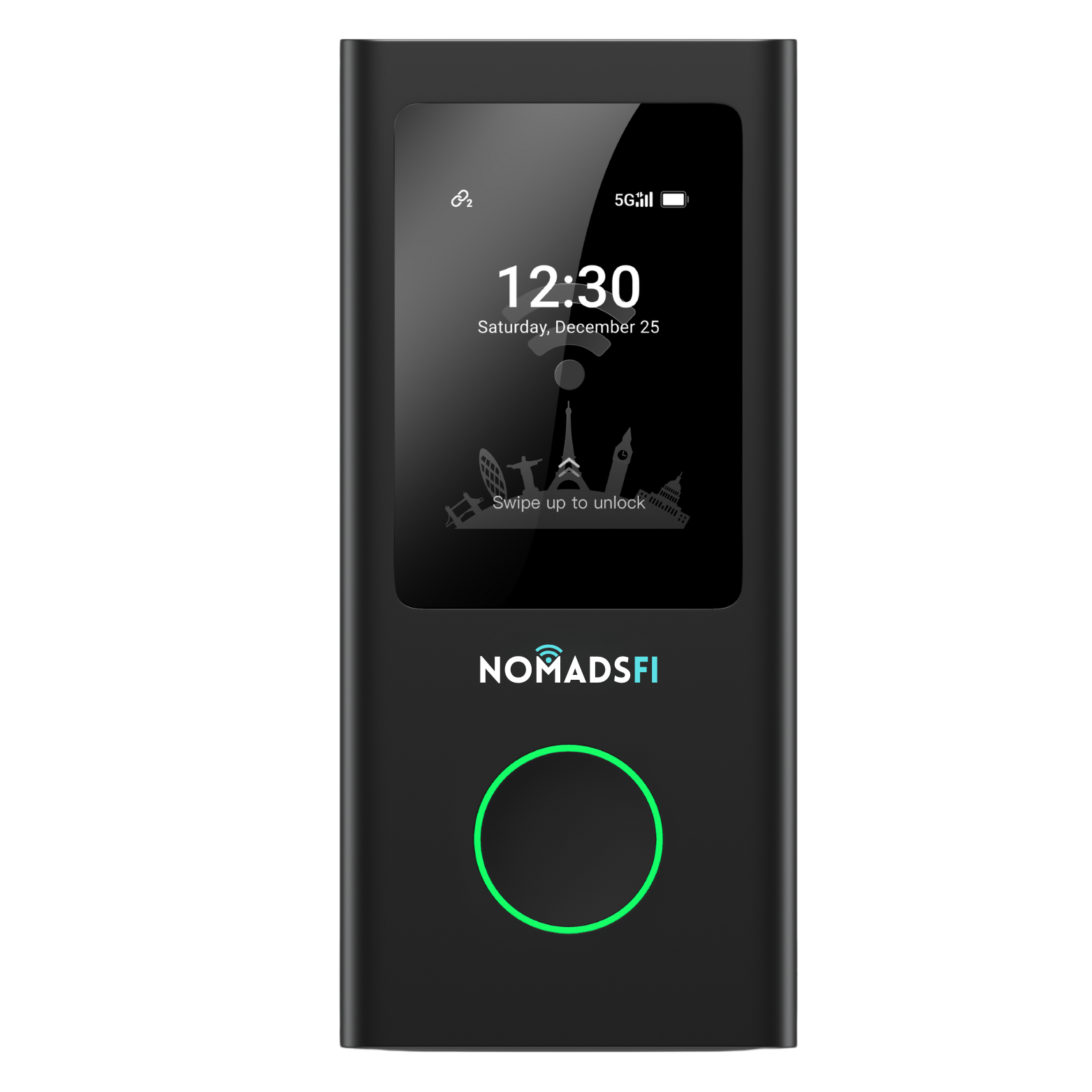
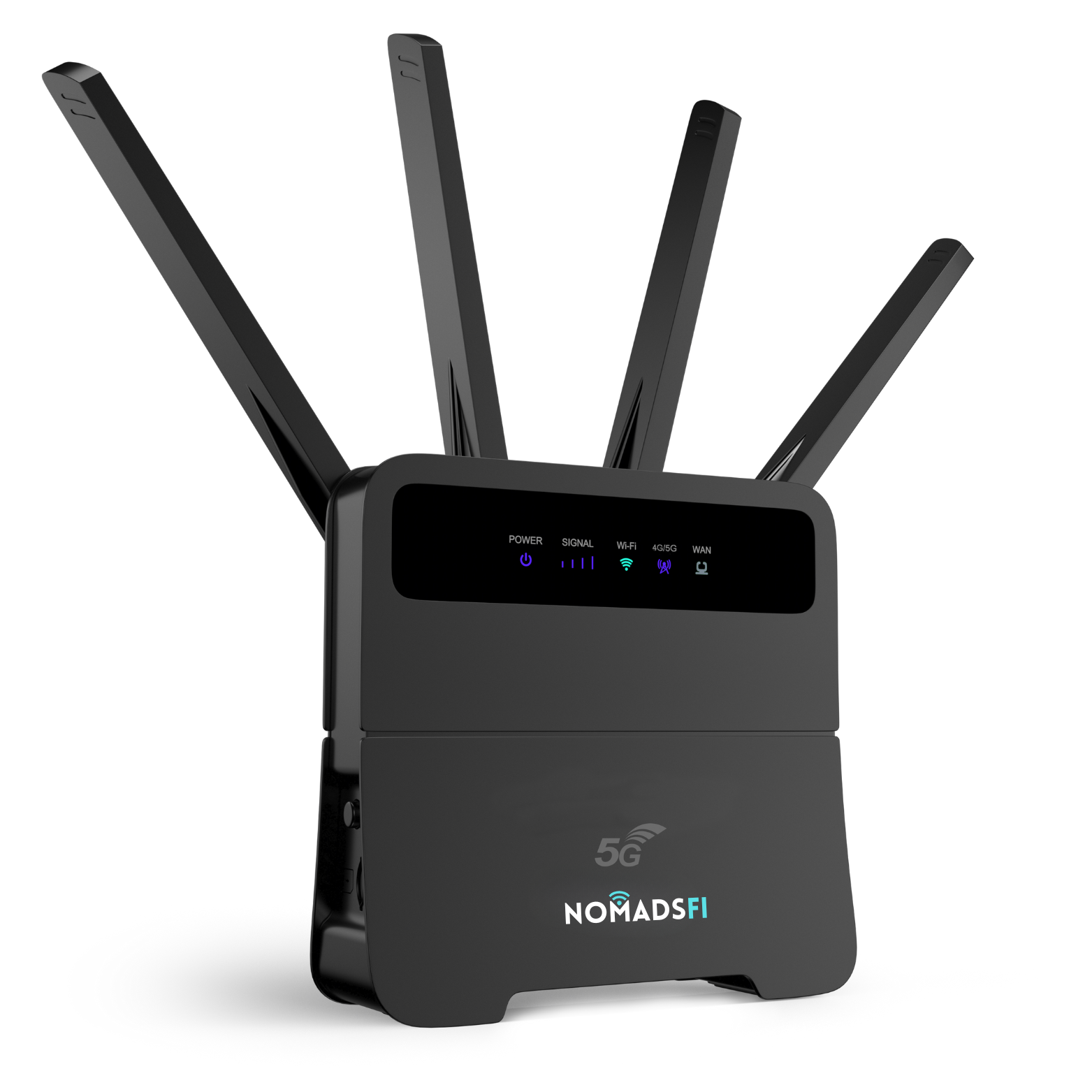
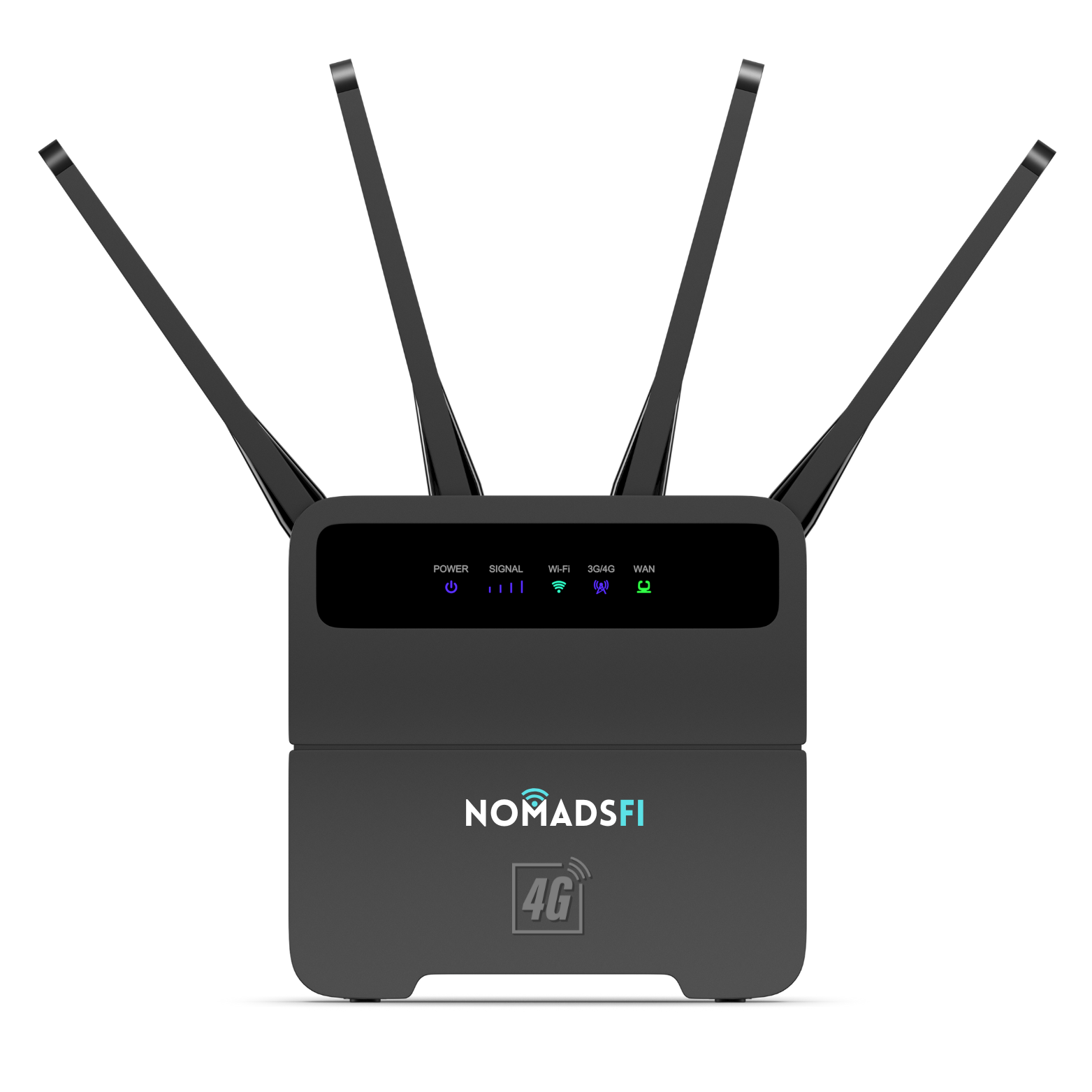
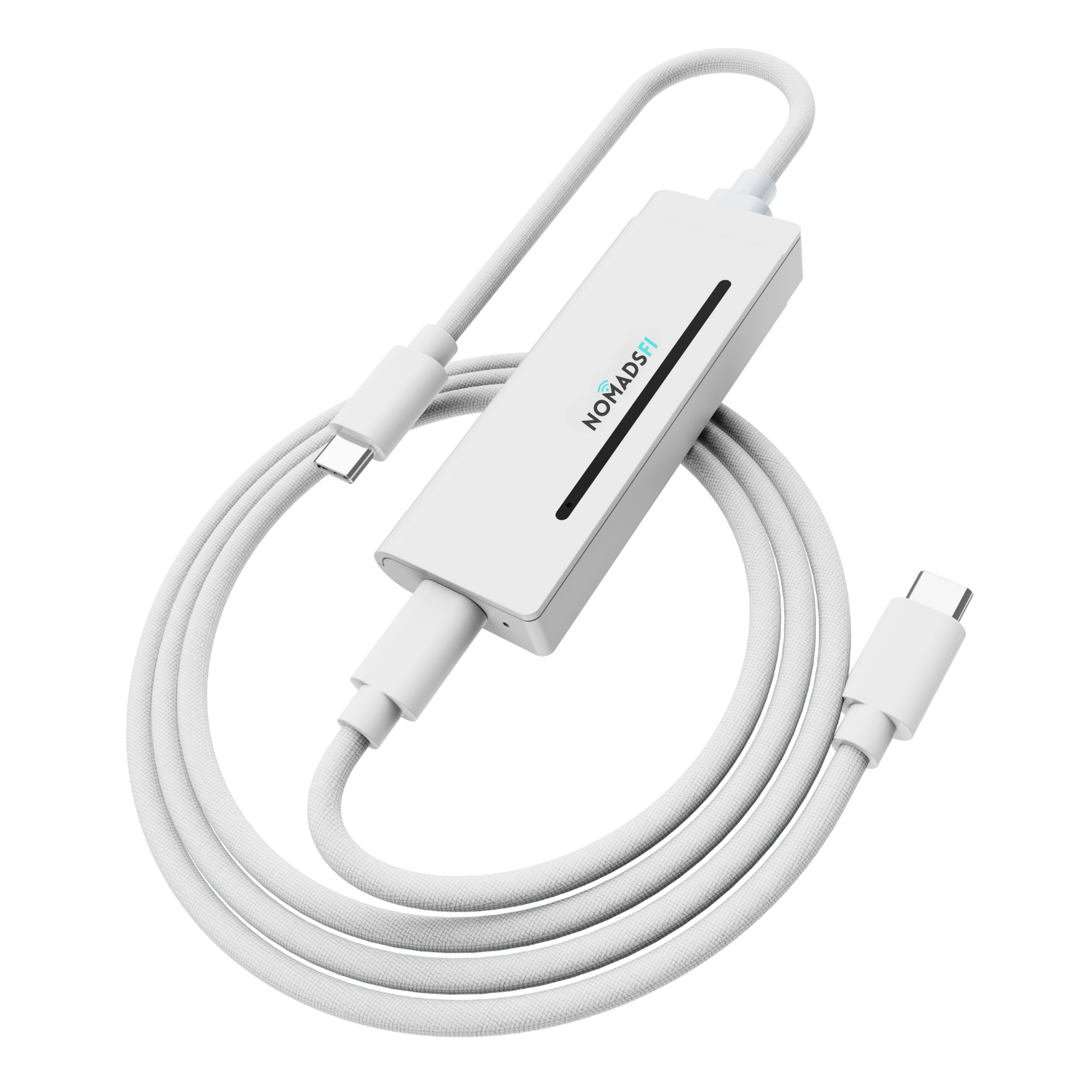
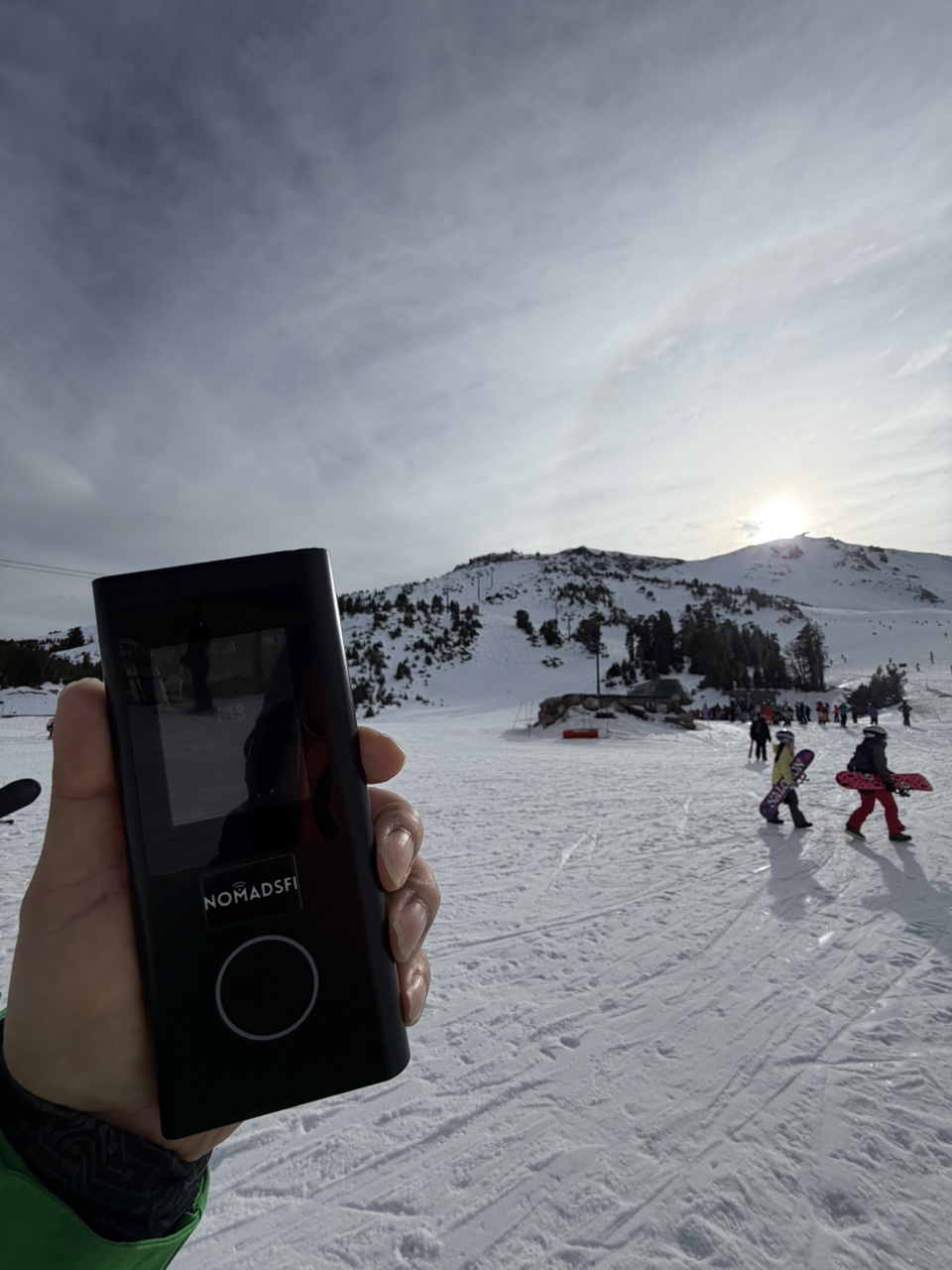
NomadsFi addresses that problem in a practical way. Instead of assuming everyone has access to standard broadband or wants a heavy setup, it offers a lighter, more flexible way to bring connectivity into places where internet access is often the hardest to solve.
The problem section
Remote area internet problems are frustrating because they affect both urgent needs and normal routines. A weak or missing connection can disrupt things people now depend on every day:
- map access and trip coordination
- remote work and communication
- basic business operations
- order management and admin tasks
- messaging with family, clients, or teams
- access to cloud documents and online services
When internet access is limited, people end up working around the problem instead of solving it. They drive to town for a stable connection. They postpone uploads. They wait until late at night hoping performance improves. They keep unreliable backup habits because there does not seem to be a better option.
Why the impact is larger than it seems
Remote connectivity issues are easy to underestimate if you only think in terms of entertainment or convenience. In reality, internet access is tied to productivity, responsiveness, safety, and planning.
For remote workers, a bad connection can break meetings, delay deliveries, and create avoidable stress. For site operators or field teams, it can slow communication and make coordination harder. For households or travelers, it can disrupt navigation, support, and everyday digital tasks.
When the network is unreliable, life becomes more reactive. People stop planning confidently because they are never sure when the connection will cooperate.
Why traditional options fall short
Remote area internet is difficult because the usual options often do not line up with real-world conditions.
Fixed broadband may not exist or may take too long
In many remote places, broadband coverage is limited or unavailable. Even where installation is possible, it can involve delays, site constraints, or commitments that do not make sense for temporary use, seasonal use, or changing locations.
That makes standard broadband a weak answer for many remote users.
Mobile phone signal alone is often inconsistent
A lot of people default to using their phone as a hotspot. Sometimes that is enough for basic tasks, but it is rarely a satisfying long-term solution. Signal quality can vary by exact location, time of day, terrain, or congestion. What works near one road or ridge may fail a short distance away.
Phone tethering also creates everyday hassles. Battery drain, limited range, and device dependency make it fragile for serious use.
Public WiFi is not a real plan in remote settings
In urban areas, weak home internet can sometimes be offset by cafes, coworking spaces, or public access points. Remote areas do not offer that safety net. If the local connection is weak, there may be nowhere nearby to fall back on.
Heavy alternatives can be too much for the need
Some remote users need full-scale, permanent infrastructure. But many do not. Some people need a more portable, more flexible option that is easier to deploy and more cost-friendly for many use cases. That middle ground matters.
How NomadsFi helps
NomadsFi fits remote-area connectivity needs because it focuses on flexibility and practical deployment rather than fixed assumptions.
A better fit for places outside standard coverage expectations
Remote areas often fall outside the normal assumptions behind broadband rollouts. NomadsFi helps bridge that gap with a lighter connection option that is easier to use in places where traditional installation is unavailable, delayed, or not worthwhile.
More practical for temporary, seasonal, or changing use
Not every remote internet need is permanent. Some people work seasonally. Some operate from cabins, farms, field locations, pop-up sites, or travel routes. A flexible setup makes more sense in those environments than infrastructure designed for one fixed urban address.
Simpler daily access for work and communication
When people in remote areas rely on internet for communication and cloud-based tasks, simplicity matters. NomadsFi helps reduce the friction of piecing together unstable options and gives users a more practical way to stay online.
Useful as backup as well as primary access
In some remote settings, even an existing connection needs backup. If the main line is unreliable, a flexible internet option can help maintain continuity for important tasks.
Best use cases
NomadsFi is a strong fit for remote-area scenarios such as:
Remote work from cabins, lodges, or edge-of-town homes
People working away from dense urban infrastructure need something more dependable than an improvised hotspot routine.
Field operations and temporary remote sites
Project teams operating in low-connectivity areas need practical internet without waiting on complex installations.
Farms, ranches, and rural work zones
Daily operations increasingly depend on digital access, but fixed broadband may still be limited or slow to implement.
Travelers and mobile workers crossing low-coverage areas
Changing routes and remote travel create connectivity gaps that require more flexible solutions.
Backup internet for remote properties or businesses
If the main connection is unreliable, having another path to get online can make daily operations far less stressful.
FAQ
Why is internet harder to solve in remote areas?
Because the usual infrastructure is often weaker, slower to install, or missing entirely. The further a location is from dense service coverage, the more likely traditional options become inconvenient or impractical.
Is phone tethering enough for remote work in rural areas?
Usually not as a primary long-term setup. It can help in short periods, but it is too inconsistent and inconvenient for many people who depend on regular internet access.
Does this mean broadband is never the right choice?
No. In some locations, broadband is still the best fit. The problem is that many remote users either cannot get it easily or need something more flexible alongside it.
Who benefits most from a portable remote-area internet option?
Remote workers, travelers, field teams, rural businesses, seasonal operators, and households in areas with limited or inconsistent infrastructure.
When is backup internet most useful in remote areas?
It is most useful when the main connection is unstable and important tasks cannot wait for service to recover, such as communication, orders, navigation, reporting, or customer support.
Conclusion
Internet access in remote areas should not require constant workarounds. If people have to plan their day around weak signal, long installation timelines, or unreliable tethering, the setup is wrong.
NomadsFi offers a lighter, more flexible way to solve remote connectivity problems. It helps people work, communicate, and stay organized without depending entirely on infrastructure that may not exist or may not be ready.
For many remote users, the smartest internet solution is not the heaviest one. It is the one that matches reality: limited coverage, changing needs, and the need to get online without turning connectivity into a full-time problem.