
.png?w=1000&h=1000)
eSIM vs. Physical SIM: Which Is Better for International Travel?
A practical, no-jargon guide to choosing the right SIM setup before your next trip.

Introduction
Landing in a new country should not start with hunting for airport Wi-Fi, swapping a tiny piece of plastic, or trying to understand a phone menu while jet-lagged.
An eSIM and a physical SIM do the same essential job: they let your phone identify itself to a mobile network. The difference is how the plan gets onto your device. A physical SIM is a removable chip. An eSIM is built into compatible devices and can be activated with a QR code, app, or carrier instructions.
Neither option is universally better. The right choice depends on your phone, destination, trip length, need for a local number, and comfort with digital setup. Here is the practical version of that decision.
The short answer
Choose an eSIM if you want to arrange data before departure, keep your home SIM in place, or move between countries without visiting a mobile store.
Choose a physical SIM if your phone does not support eSIM, you need a specific local voice number, or a local prepaid deal offers better value for a long stay.
| Feature | eSIM | Physical SIM |
|---|---|---|
| How you get it | Buy online and install digitally | Buy or receive a plastic SIM card |
| Setup timing | Often possible before your trip | Usually after delivery or arrival |
| Switching plans | Change profiles in phone settings | Remove and replace the SIM card |
| Loss or damage | No removable card to misplace | Card can be lost or physically damaged |
| Dual-SIM use | Can work alongside a home SIM on supported phones | Depends on the number of physical SIM slots |
| Local number | Depends on the plan; many travel plans are data-only | Often included with local prepaid service |
| Best fit | Short trips, multi-country travel, backup data | Older phones, long stays, local voice needs |
When eSIM wins
For most short international trips, convenience is the strongest argument for eSIM. You can compare coverage, buy a plan, and install it while you still have reliable Wi-Fi at home. When you land, you only need to select the travel line and enable data roaming for that line if the provider requires it.

You can prepare before departure
Buying ahead gives you time to check compatibility, save the setup instructions, and confirm which line will handle mobile data. That is much calmer than solving connectivity after arrival.
You can keep your primary SIM in place
On supported dual-SIM phones, your home line can remain available for important texts while the eSIM handles travel data. Before relying on this, check how your home carrier charges for roaming, calls, and incoming messages.
It is easier to add a regional or backup plan
If your trip crosses several countries, a regional eSIM can reduce repeated SIM swaps. You may also keep a small backup profile ready for a second network. The exact number of stored and active eSIM profiles varies by device, so confirm your phone’s limits.
When a physical SIM still makes sense
Physical SIMs remain useful and, in some situations, are the better tool. They are widely understood, work with many older devices, and can be moved between compatible unlocked phones without downloading a new profile.
Your phone is not eSIM-compatible
eSIM support is hardware- and region-dependent. Even phones with the same model name can differ by market. Check the device manufacturer’s specifications and look for an EID in your phone settings before buying an eSIM.
You need a local number or traditional voice plan
Many travel eSIMs focus on mobile data. Messaging apps can cover everyday communication, but a local number may still matter for local services, longer stays, or people who need standard calling and SMS. Read the plan details rather than assuming either SIM format includes voice service.
You want the best long-stay local deal
For a stay measured in months, a local prepaid or monthly plan may provide more data or local service features. That can justify visiting a store, completing any local registration, and using a physical SIM.
Before you buy
- Check device compatibility
Confirm that your exact phone model supports eSIM and is carrier-unlocked.
- Review network coverage
Look beyond country names and check the places where you will actually spend time.
- Read the plan details
Compare data, validity, hotspot rules, activation timing, and included services.
- Download before you go
Install on reliable Wi-Fi and save a copy of your activation instructions.
How to switch without losing service
- Install the eSIM while connected to stable Wi-Fi, but follow the provider’s activation timing.
- Label the new line “Travel” and keep your primary SIM active until departure.
- After landing, select the travel line for mobile data and review roaming settings.
- Test maps, messaging, and a browser before leaving the airport or station.
The best travel days start with a good connection.
Final thoughts
For convenience, flexibility, and quick setup, eSIM is usually the better fit for a modern international trip. A physical SIM still earns its place when device support, local calling, or a long-stay local package matters more.
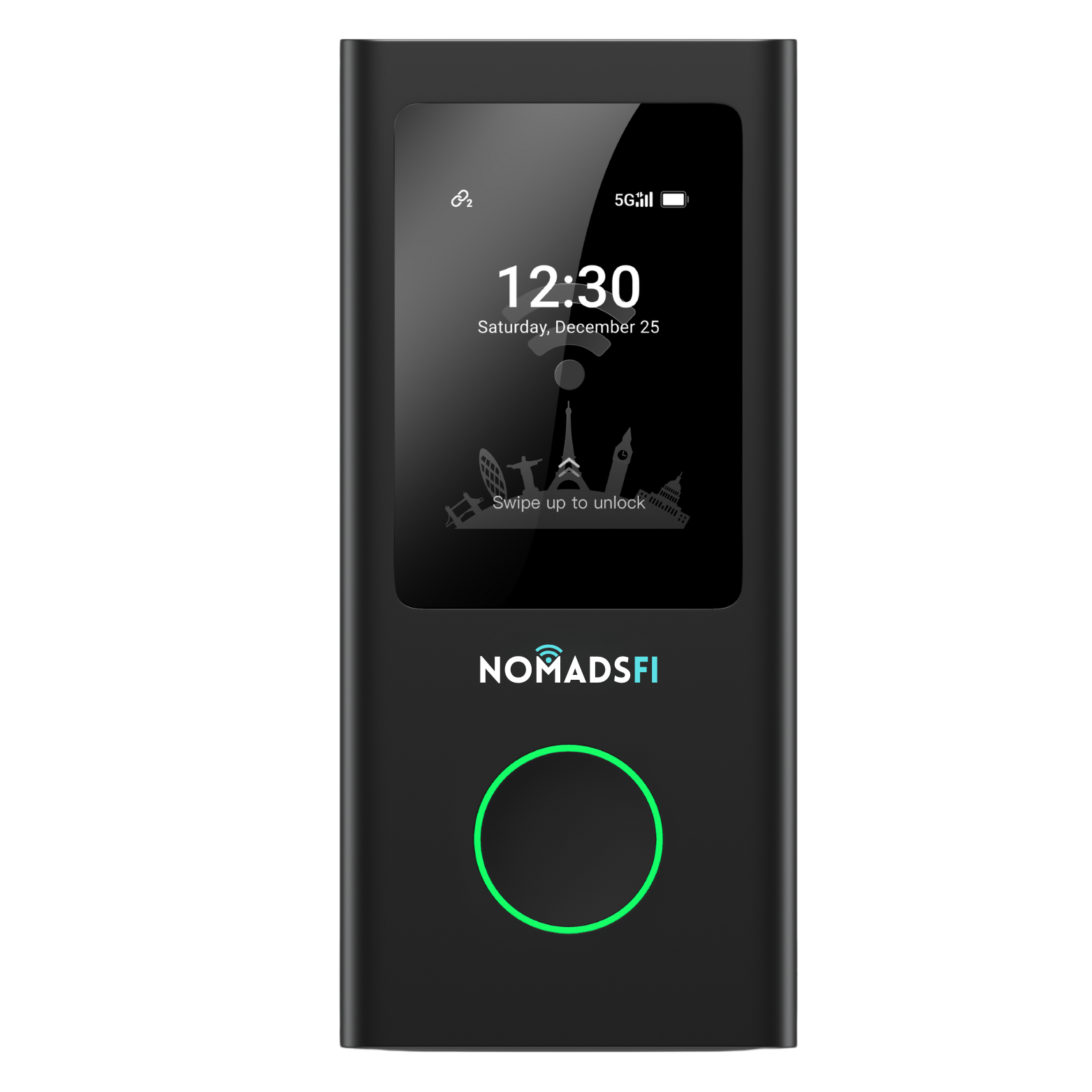
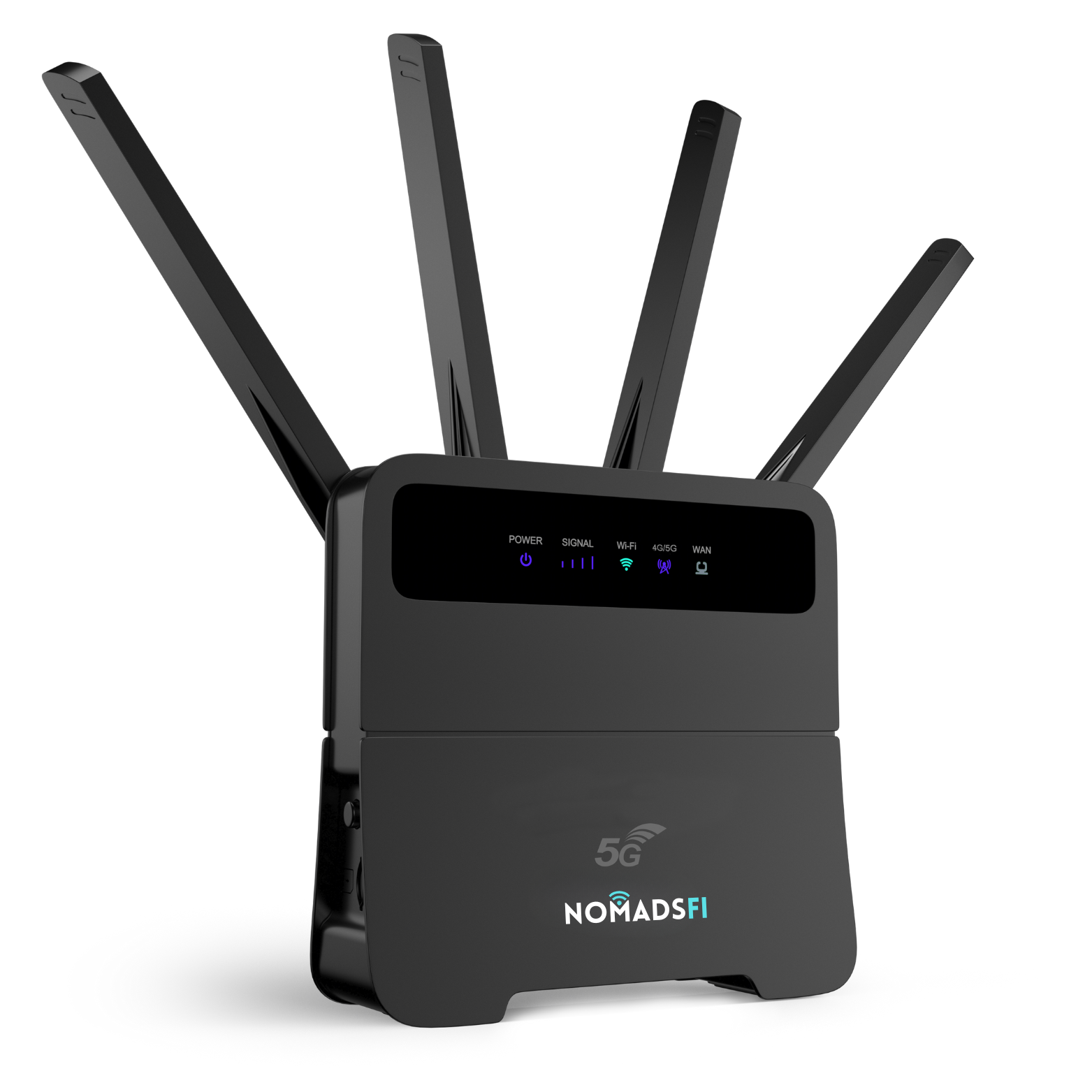
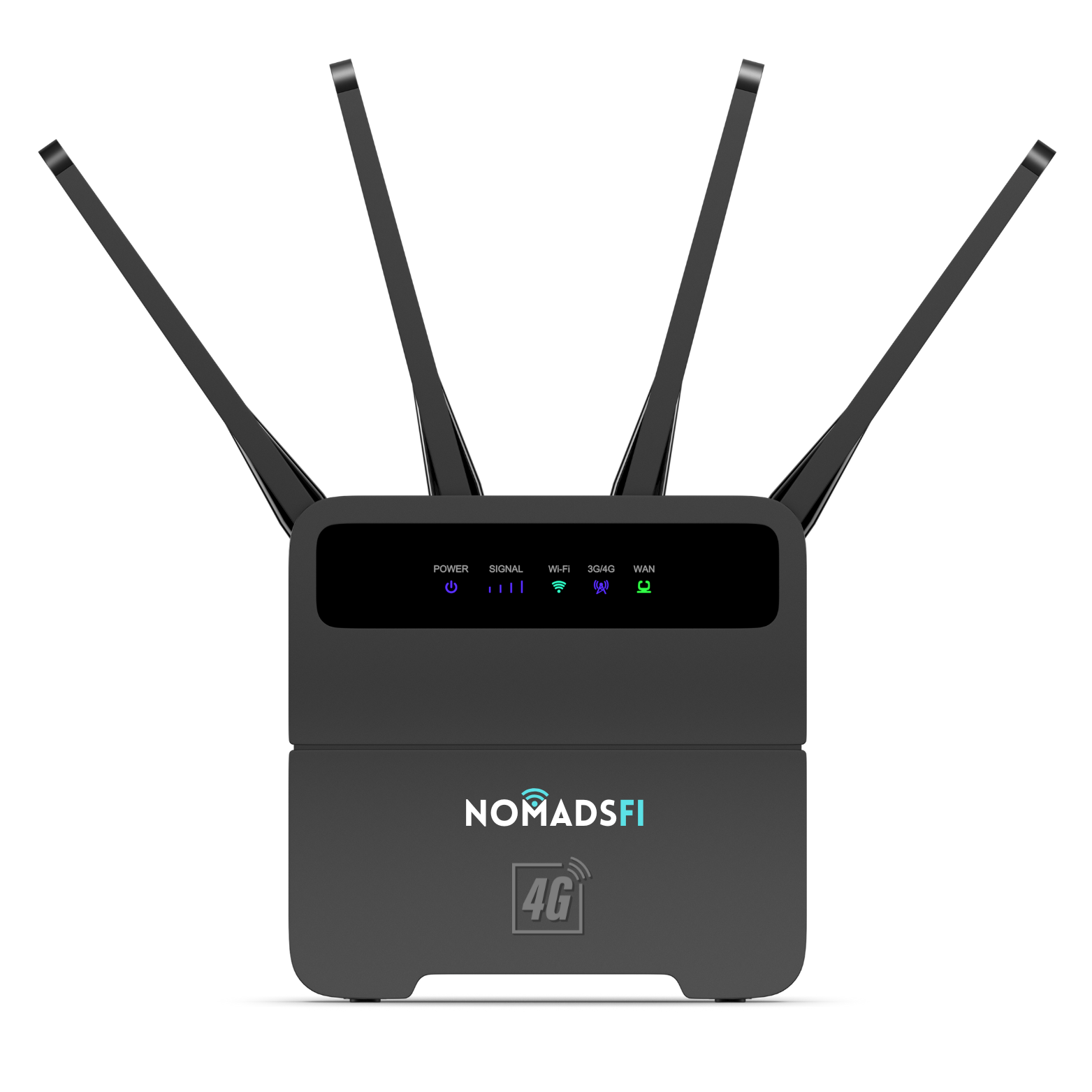
If you need to connect a phone, laptop, tablet, or several travelers at once, a portable Wi-Fi connection is a useful third option to compare. It keeps your travel data separate from any one phone and gives your devices one familiar network to join.
The safest choice is the one you verify before paying: confirm that your phone is unlocked, match the plan to your actual route, understand what the plan includes, and keep the installation details available offline.
Stay connected before you take off
Choose a NomadsFI mobile Wi-Fi plan for your route and arrive ready to connect the travel devices you depend on.
Explore NomadsFI plans