
The Best Mobile WiFi Hotspot in 2026: 7 Top Picks + How to Choose
If 2025 taught travelers one thing, it is that a phone's personal hotspot is not a travel plan. Flights get delayed, roaming zones change, and hotel Wi-Fi still fails at 9 p.m. on a deadline. A dedicated mobile WiFi hotspot is the difference between "I'll find a café tomorrow" and "I'm already online."
This guide ranks the best mobile WiFi hotspots in 2026 by what actually matters: real coverage, device limits, contract flexibility, and cost per gigabyte — then walks through exactly how to pick yours.
Table of Contents
- How we tested and ranked
- The 7 best mobile WiFi hotspots in 2026
- Which one should you buy in 2026?
- What to look for in a mobile hotspot (2026 checklist)
- Why CloudSIM beats SIM swapping in 2026
- Mobile hotspot FAQ
- Ready to choose yours?
How we tested and ranked
We judged every hotspot in this list on five criteria:
- Coverage: how many countries and networks the device can reach without swapping SIMs
- Speeds: 4G vs 5G performance and Wi-Fi generation (Wi-Fi 5 vs Wi-Fi 6)
- Device capacity: how many devices can connect at once
- Plan flexibility: contracts, monthly rentals, and pay-as-you-go options
- Total cost: device price plus the real monthly data cost
We weighted coverage and total cost more heavily than raw speed, because a hotspot that works in one country but dies at a border is not a travel device — it is a bill. That is also why every entry in our top picks either ships with multi-country CloudSIM coverage or explains exactly why it is better left at home.
The 7 best mobile WiFi hotspots in 2026
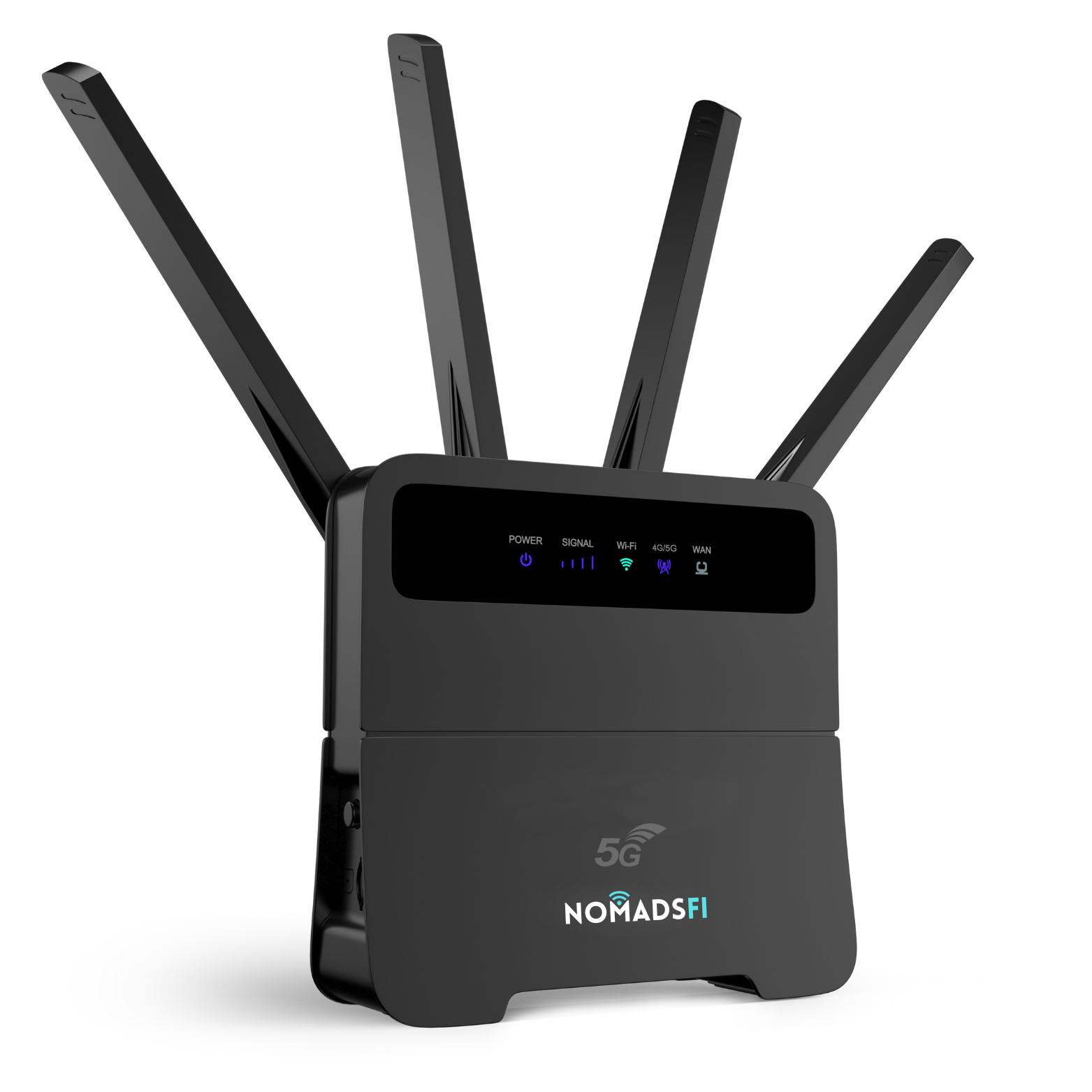
1. NomadsFi 5G Router — best overall for heavy use
- Coverage: 200+ countries via CloudSIM, no SIM swapping
- Speed: 5G up to 350 Mbps; Wi-Fi 6
- Devices: up to 32 connected devices
- Best for: RVs, home offices, small teams, and permanent backup internet
- Why it wins: one device replaces both your home router and your travel hotspot. Buy once (NomadsFi 5G Router) or rent by the month with no contract.
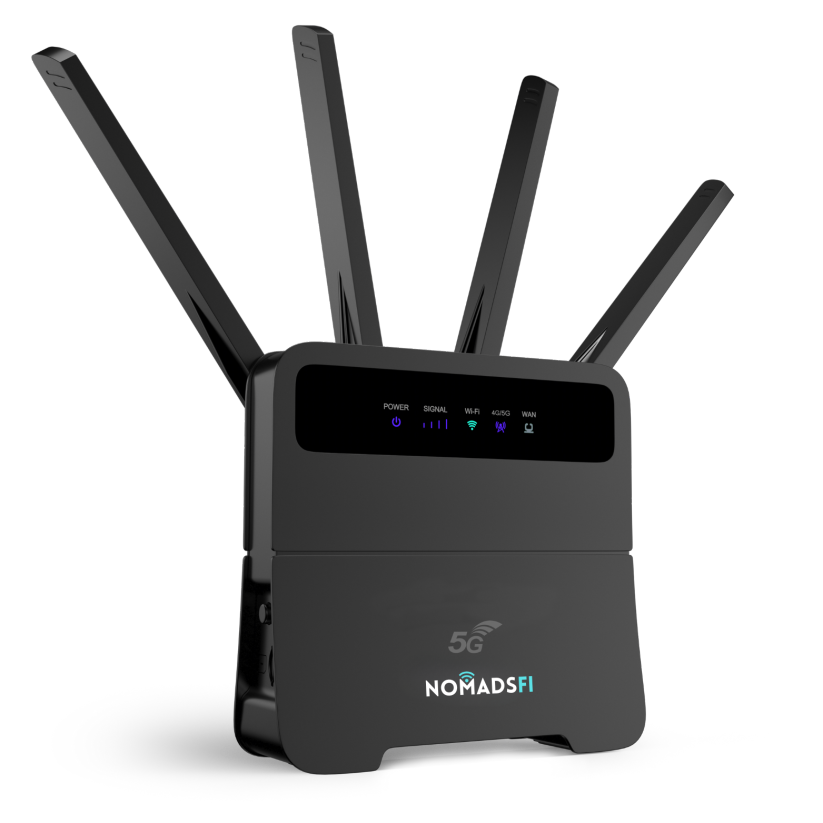
The NomadsFi 5G is the only entry that doubles as a full home router: 32 concurrent devices, Wi-Fi 6, and a battery that keeps working when the power goes out. For families, RV owners, and anyone who wants one device for both travel and backup internet, it is the complete package.
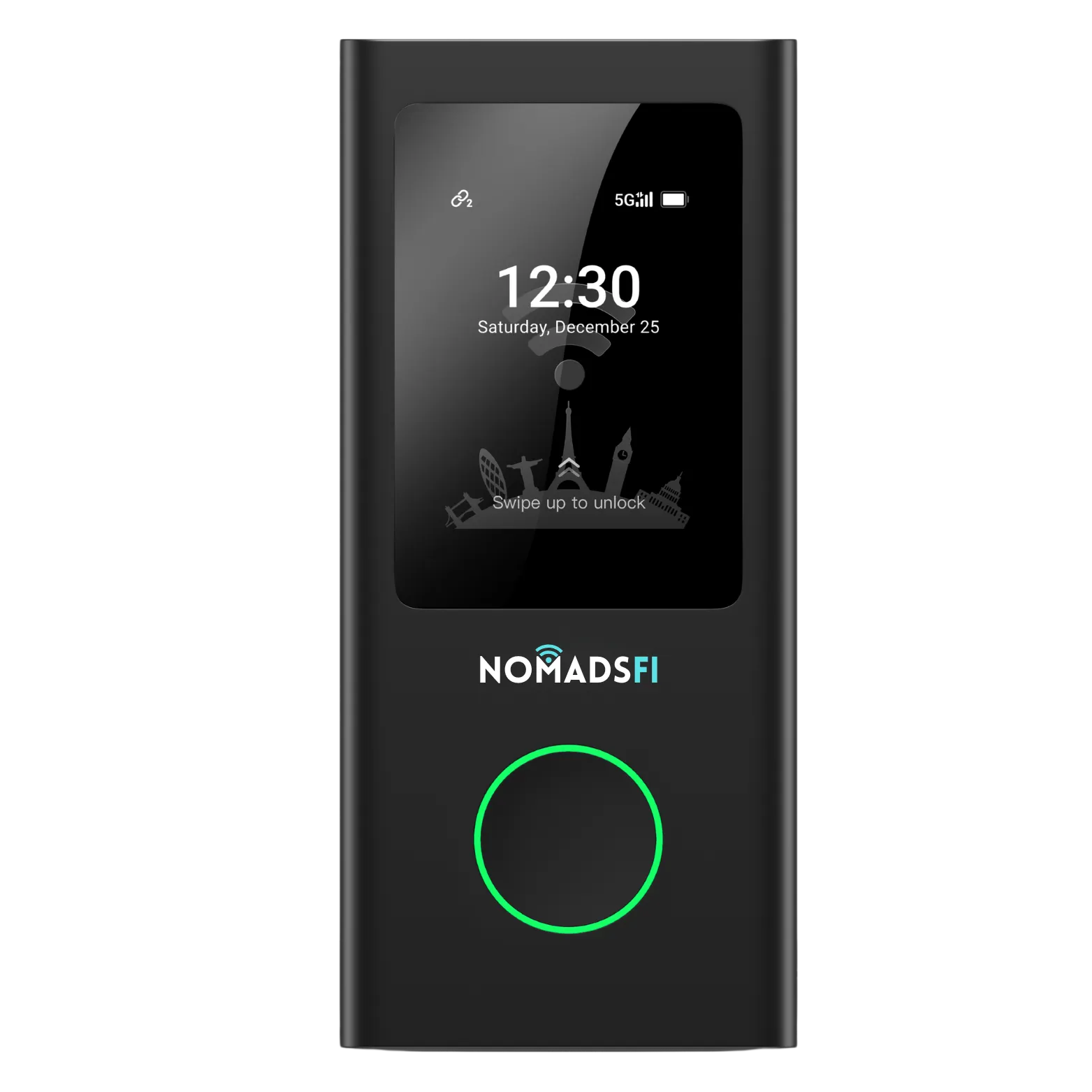
2. PocketFi 5G — best pocket 5G for travel
- Coverage: 200+ countries
- Speed: 5G, Wi-Fi 6
- Devices: up to 16 devices
- Best for: frequent international travelers who want 5G in a shirt-pocket size
- Why it wins: 5G speeds with the form factor of a card. Rent it from $15/month (PocketFi 5G rental) — no long-term commitment.
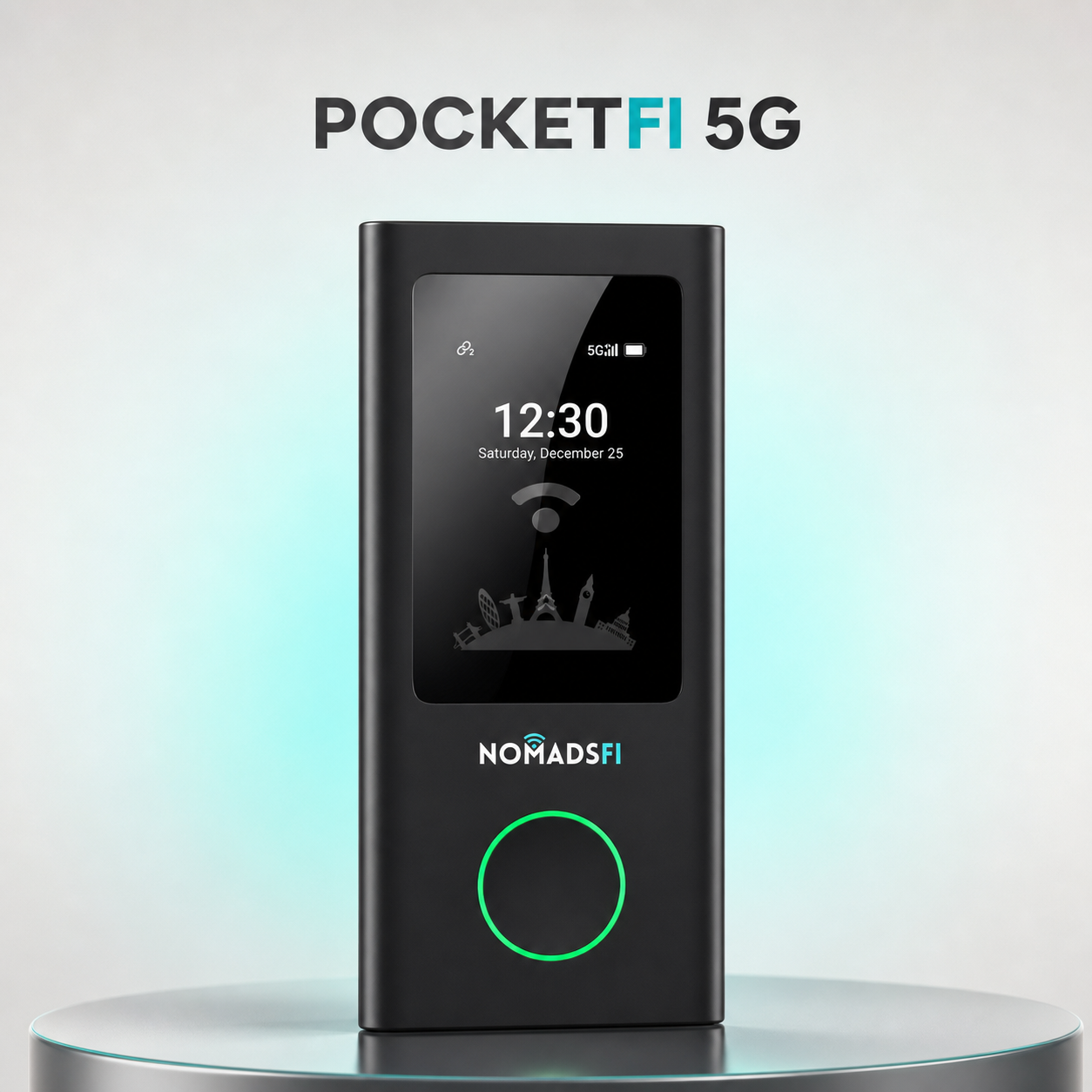
If you fly internationally more than a few times a year, the PocketFi 5G is the easiest upgrade you can make: it fits in a pocket, covers 200+ countries out of the box, and the monthly rental means you are never locked into a depreciating device.
3. PocketFi X 4G — best value global 4G
- Coverage: 150+ countries
- Speed: 4G LTE
- Devices: up to 16 devices
- Best for: budget-conscious travelers who need reliable global coverage without 5G's premium
- Why it wins: the best cost-per-gigabyte for frequent multi-country trips.
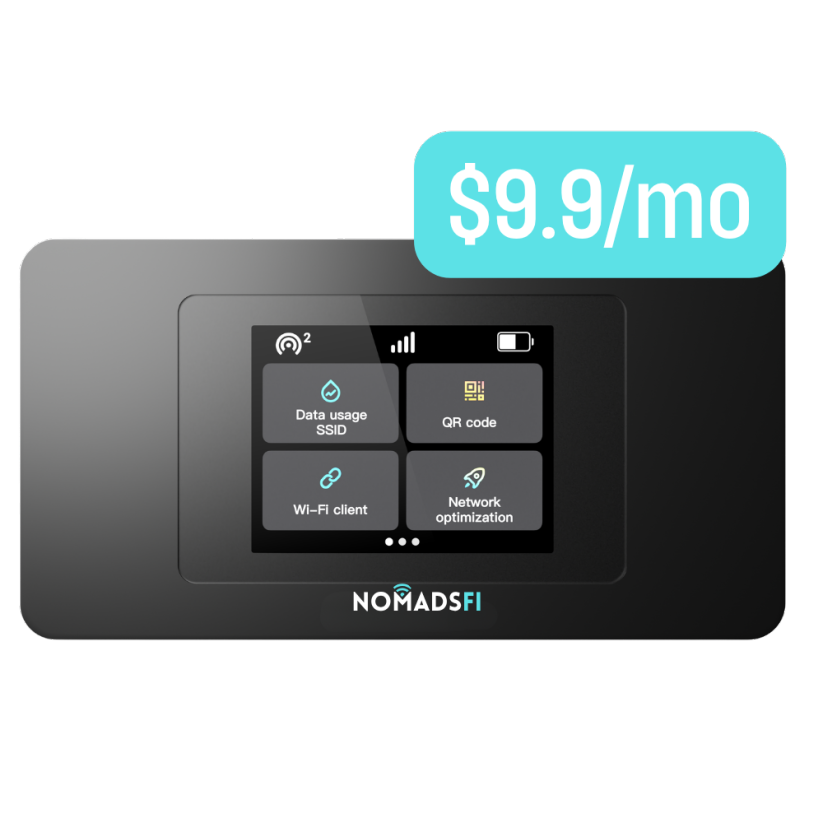
The PocketFi X 4G is the pick for travelers who want dependable global connectivity without paying for 5G speeds they rarely use. LTE is more than enough for maps, messaging, video calls, and email — and the lower data cost makes it the long-haul budget winner.
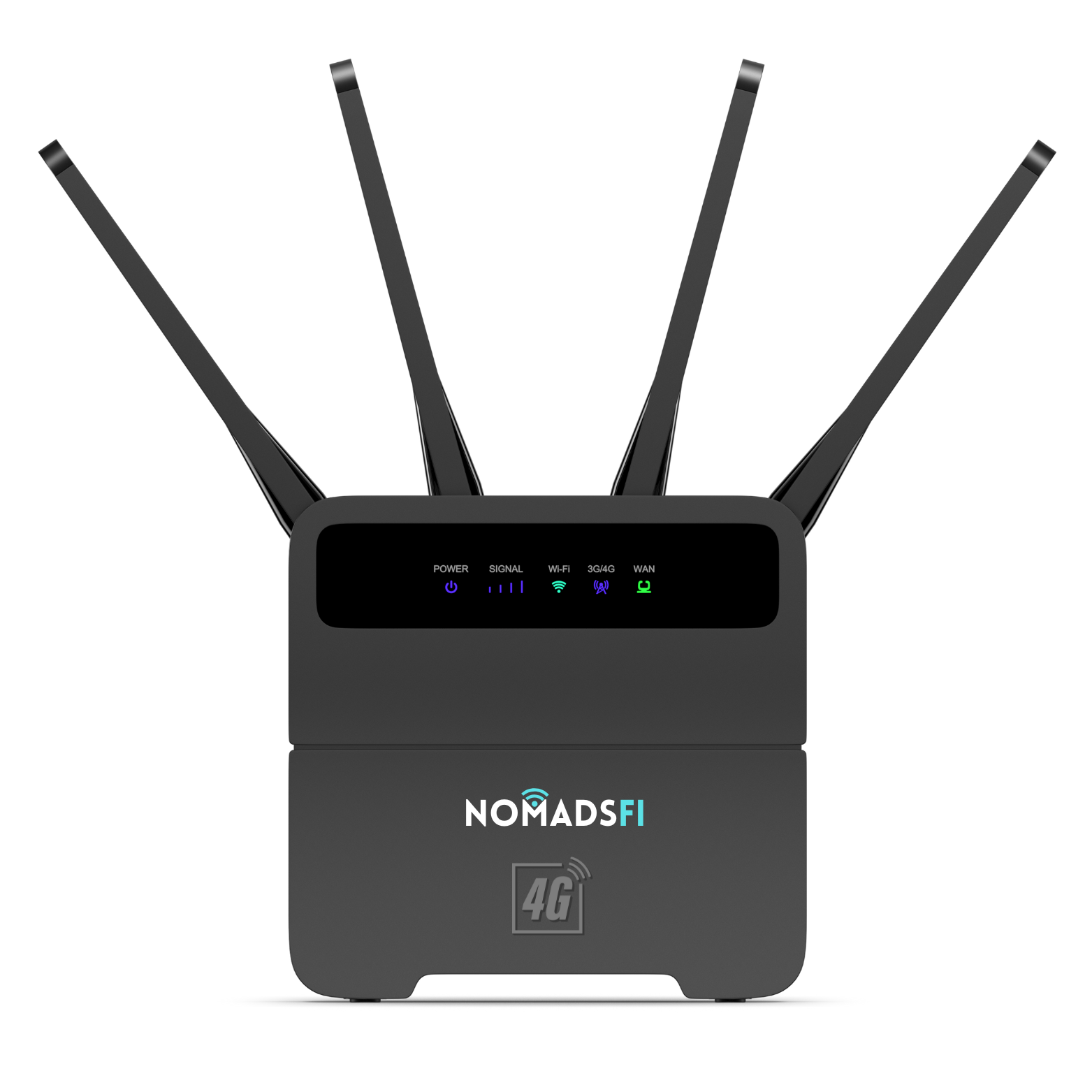
4. NomadsFi LTE Router — best home backup 4G
- Coverage: 200+ countries
- Speed: 4G LTE up to 150 Mbps
- Devices: up to 32 devices
- Best for: home internet backup and fixed-location rentals
- Why it wins: router-grade stability for work-from-home setups. See how households use a 5G hotspot as a home internet backup.
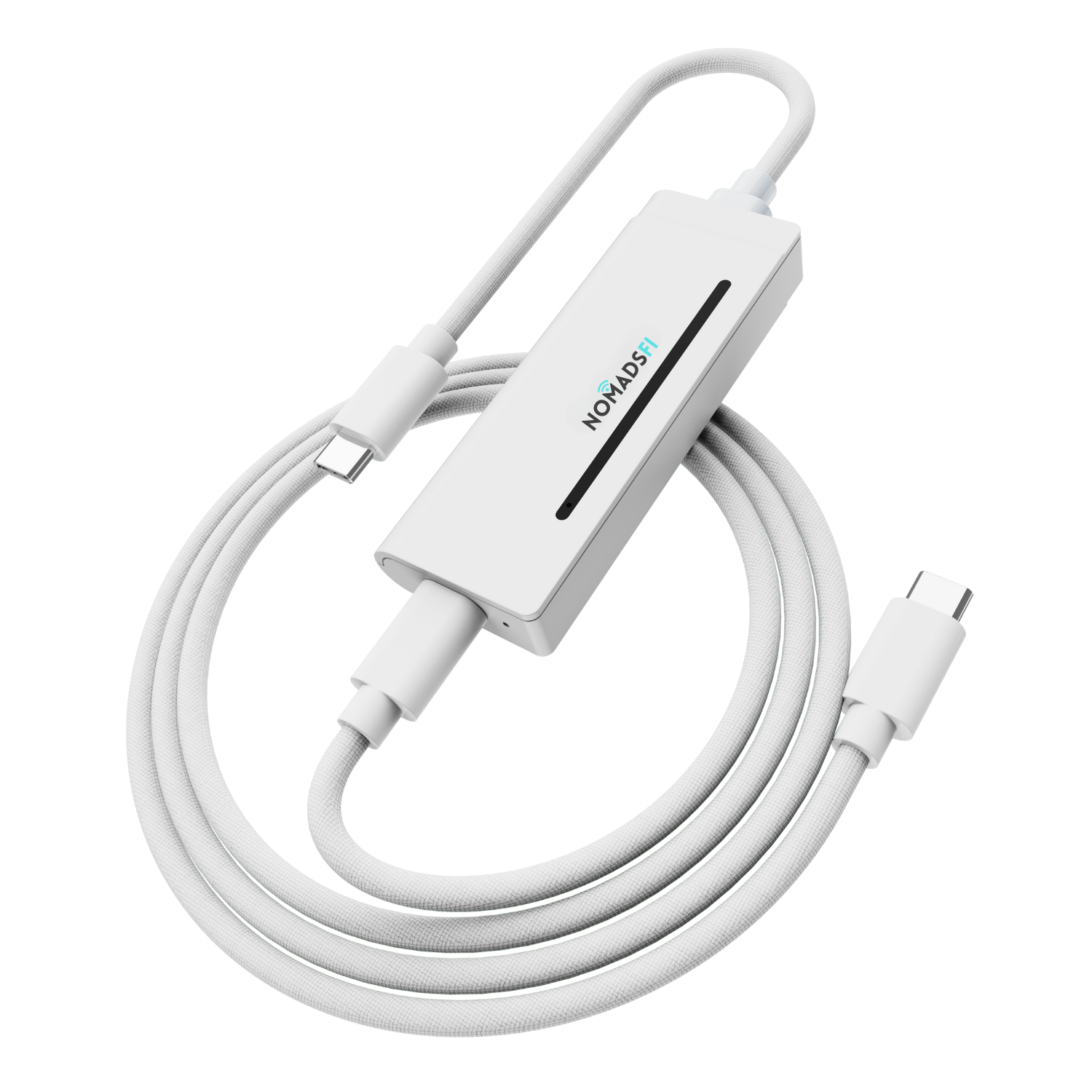
5. PlugFi — best ultra-portable USB dongle
- Coverage: 200+ countries
- Speed: 4G LTE
- Devices: up to 16 devices
- Best for: laptop-first travelers who want WiFi out of a USB port
- Why it wins: the smallest footprint in the lineup — plugs straight into a laptop or power outlet.
6. Best premium alternative — a carrier 5G puck
- Coverage: single-country or regional
- Speed: 5G
- Devices: 10–15
- Best for: domestic users who never leave one country
- Why it loses: the moment you cross a border, roaming resets your bill.
7. Best budget alternative — a prepaid pocket router
- Coverage: region-limited, SIM required
- Speed: 4G
- Devices: 10
- Best for: single-destination short trips
- Why it loses: SIM management, top-up hassle, and zero multi-country flexibility.
Which one should you buy in 2026?
| You travel... | Recommended pick | Why |
|---|---|---|
| Internationally, multiple countries | PocketFi 5G | 200+ country coverage, no SIM swapping |
| By RV or live mobile | NomadsFi 5G Router | 32 devices, router-grade WiFi, 5G |
| Need home backup internet | NomadsFi LTE Router | Always-on 4G backup for the whole house |
| Budget global travel | PocketFi X 4G | Best value global 4G coverage |
| Laptop-only carry | PlugFi | WiFi from a USB port |
What to look for in a mobile hotspot (2026 checklist)
- Country coverage over raw speed. A 300 Mbps hotspot that dies outside the US is useless to an international traveler. Demand 150+ countries with no SIM swapping.
- Device limits that match your setup. 10 devices is fine for a solo traveler; teams and RVs need 16–32.
- No contracts. Rent by the month and switch when your plans change. Locking into a 24-month phone-company contract for travel is a mistake.
- Wi-Fi 6 for crowded spaces. Hotel lobbies, airports, and shared rentals are dense RF environments — Wi-Fi 6 handles them far better.
- eSIM compatibility as a backup. A hotspot with CloudSIM plus phone eSIM gives you two independent networks. See eSIM vs Starlink vs portable WiFi to understand when each one wins.
Why CloudSIM beats SIM swapping in 2026
The biggest shift in the 2026 hotspot market is CloudSIM: the network profile is delivered over the air, so one device works in 200+ countries with zero SIM cards, zero swapping, and zero per-country activation. That is why every NomadsFi pick above covers the whole world out of the box.
The practical difference is visible on day one of a trip: with a traditional pocket router you hunt for a local SIM at the airport, top up, and reconfigure settings. With CloudSIM you switch the device on and the strongest local carrier is selected automatically. It also explains why businesses are replacing roaming fleets with managed hotspots — the same device that keeps a traveler online keeps an enterprise team online in 200+ countries.
Mobile hotspot FAQ
How many devices can a mobile hotspot support?
It depends on the model: portable travel hotspots typically support 10–16 devices, while router-grade hotspots like the NomadsFi 5G support up to 32. Choose based on whether you travel solo or run a team, RV, or household on one network.
Is a mobile hotspot better than a phone hotspot?
For anything beyond light single-phone use, yes. A phone hotspot drains battery, ties up your phone, and depends on your carrier's roaming. A dedicated hotspot keeps multiple devices online on a separate network. See the full breakdown in portable WiFi vs phone hotspot.
Do I need a contract to rent a hotspot?
No. NomadsFi rentals are month-to-month with no long-term contract, and data plans are available on a pay-per-gigabyte or monthly basis. You can compare all options on the NomadsFi plans page.
Will a hotspot work in every country?
CloudSIM hotspots work in 200+ countries and territories. Coverage is delivered over the air, so the same device bought in the US works identically in Europe, Asia, and Latin America — no per-country activation.
Ready to choose yours?
Compare the full lineup and pick the plan that matches your travel pattern:
- The complete portable hotspot ranking
- How to choose a mobile hotspot for travel
- Portable WiFi vs phone hotspot: which is better?
- eSIM vs Starlink vs portable hotspot
- How a global retailer uses one router for 32 scanners
- Rent PocketFi 5G from $15/month
- Buy NomadsFi 5G Router
The best mobile WiFi hotspot in 2026 is the one that follows you anywhere — without a SIM card and without a contract.