
eSIM vs Starlink vs Portable WiFi Hotspot: Which Is the Best Travel Internet in 2026?
Travelers in 2026 face a genuine three-way choice for staying online abroad: an eSIM on your phone, a Starlink dish for the vehicle or cabin, or a dedicated portable WiFi hotspot. Each is excellent at one thing — and expensive or awkward at the others.
This guide compares the three across the metrics that decide real-world value: coverage, setup, devices supported, cost, and speed. If you already know you want the deep-dive versions, see our full eSIM vs portable WiFi comparison and the NomadsFi vs Starlink deep dive.
Table of Contents
- The three options at a glance
- How they compare on what matters
- Decision guide: pick your scenario
- Why "eSIM vs hotspot" is really "phone vs network"
- And what about Starlink vs a hotspot for RVers?
- Travel internet FAQ
- The bottom line for 2026
The three options at a glance
| Factor | eSIM (phone) | Starlink (satellite) | Portable WiFi hotspot |
|---|---|---|---|
| Coverage | 100+ countries (carrier-dependent) | Global, but needs open sky | 200+ countries, no SIM |
| Setup time | 5–15 minutes per trip | 20–45 minutes, dish + app | Turn on, connect |
| Devices | 1 (your phone) | 10–30 (via router) | 16–32 |
| Typical cost | $15–40 per trip (data packs) | $120–$600/mo + $300+ hardware | $0–$500 hardware or rent from $15/mo; data from $19.90/mo |
| Best for | Solo phone users | RVs/cabins off-grid in one region | Multi-device, multi-country travel |
| Weakness | Phone-only, per-country data packs, battery drain | Costly, bulky, needs line of sight | One more device to carry |
How they compare on what matters
1. Coverage: the true "global" test
- eSIM: excellent within supported countries, but coverage depends on the eSIM provider's roaming partners. Multi-country trips mean juggling profiles or buying regional packs. In some countries eSIM support is still thin.
- Starlink: truly global in rural/open-sky areas — but it needs a clear view of the sky. City canyons, dense forests, and moving vehicles degrade it badly.
- Portable hotspot (CloudSIM): one device with 200+ country coverage and zero SIM swapping. Coverage is delivered over the air, so a device bought in the US works identically in Europe, Asia, or Latin America.
Winner: portable WiFi hotspot for multi-country travel; Starlink only if you live off-grid in one region.
2. Devices: one phone vs. a whole crew
- eSIM lives on one phone. Your laptop, tablet, and travel companions still need their own solutions.
- Starlink connects a whole RV or cabin — great, but it's a fixed installation, not a travel companion.
- A hotspot connects 16–32 devices on one private network — laptops, tablets, phones, and meeting hardware together.
Winner: portable hotspot for anyone traveling with more than a phone.
3. Cost: the trap is in the details
| Cost item | eSIM | Starlink | Portable WiFi hotspot |
|---|---|---|---|
| Hardware | $0 (uses your phone) | $300+ for dish + accessories | $0 (rent) or one-time purchase |
| Monthly data | $15–40 per trip pack | $120–$600/month | From $19.90/month, pay-per-GB or flat |
| Roaming surcharges | Per-country packs add up | None (region-based plans) | None — one global plan |
| Yearly total (frequent traveler) | $300–$600 | $1,500–$7,000+ | $250–$600 |
- eSIM looks cheap per trip ($15–40), but adds up over a year of frequent travel — and you still pay for your home plan's data at home.
- Starlink is the most expensive: hardware ($300+), plus $120–$600/month depending on the plan, plus accessories for mobility.
- A hotspot has two honest price points: rent from $15/month with a zero-contract data plan, or buy once and pay per gigabyte. No roaming surcharges, ever.
For a frequent traveler, the hotspot rental model typically beats eSIM stacking and costs a fraction of Starlink.
4. Speed and reliability
- eSIM: as fast as the local network — but tied to one carrier's roaming, which is often throttled.
- Starlink: impressive in open rural areas; variable in motion and urban settings.
- Hotspot (5G): up to 350 Mbps on Wi-Fi 6, and because CloudSIM can switch networks, it picks the strongest carrier available.
Decision guide: pick your scenario
| Scenario | Best choice |
|---|---|
| Solo trip, phone only, one country | eSIM |
| Full-time RV or remote cabin, mostly one region | Starlink |
| Multi-country business travel | Portable WiFi hotspot |
| Family or crew travel (many devices) | Portable WiFi hotspot |
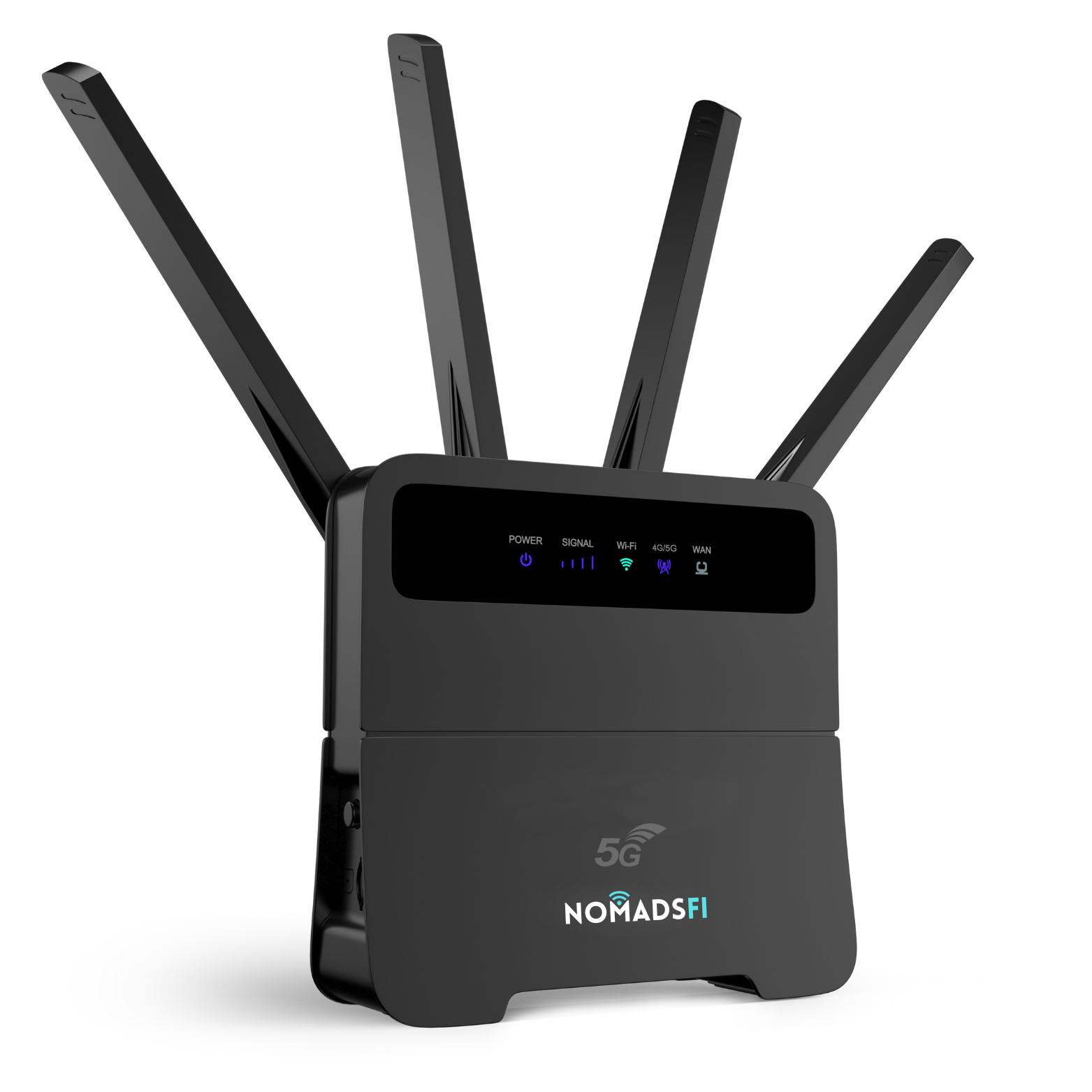
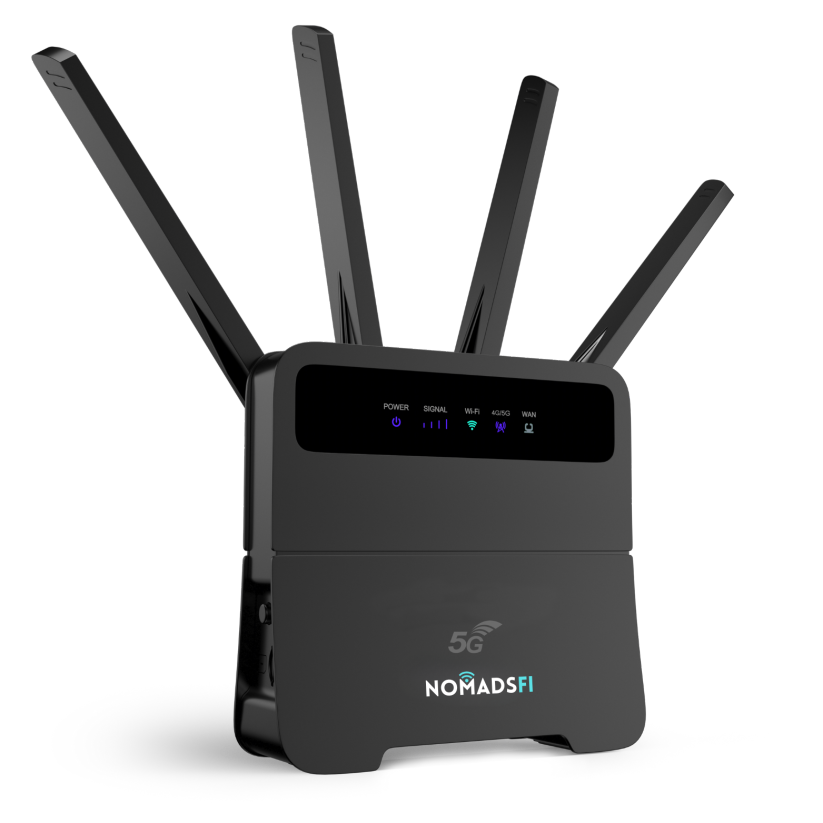
| Hybrid: backup at home + travel | Portable WiFi router (e.g., NomadsFi 5G) |
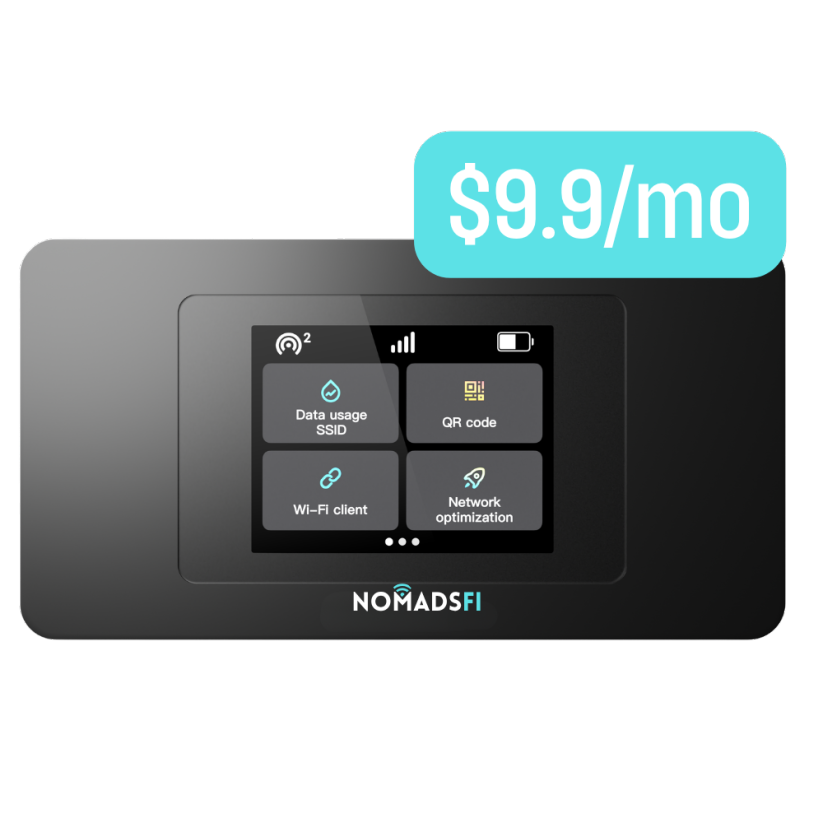
For travelers on a budget, the PocketFi X 4G delivers 150+ country LTE coverage at the lowest cost per gigabyte — enough for maps, messaging, video calls, and light streaming, with a touchscreen display that makes switching plans effortless.
Why "eSIM vs hotspot" is really "phone vs network"
The honest framing: an eSIM upgrades your phone; a portable hotspot upgrades your whole trip. That's why our full head-to-head concludes most travelers end up with both — an eSIM as phone backup and a hotspot as the main network. Read the details in eSIM vs portable WiFi: the full comparison.
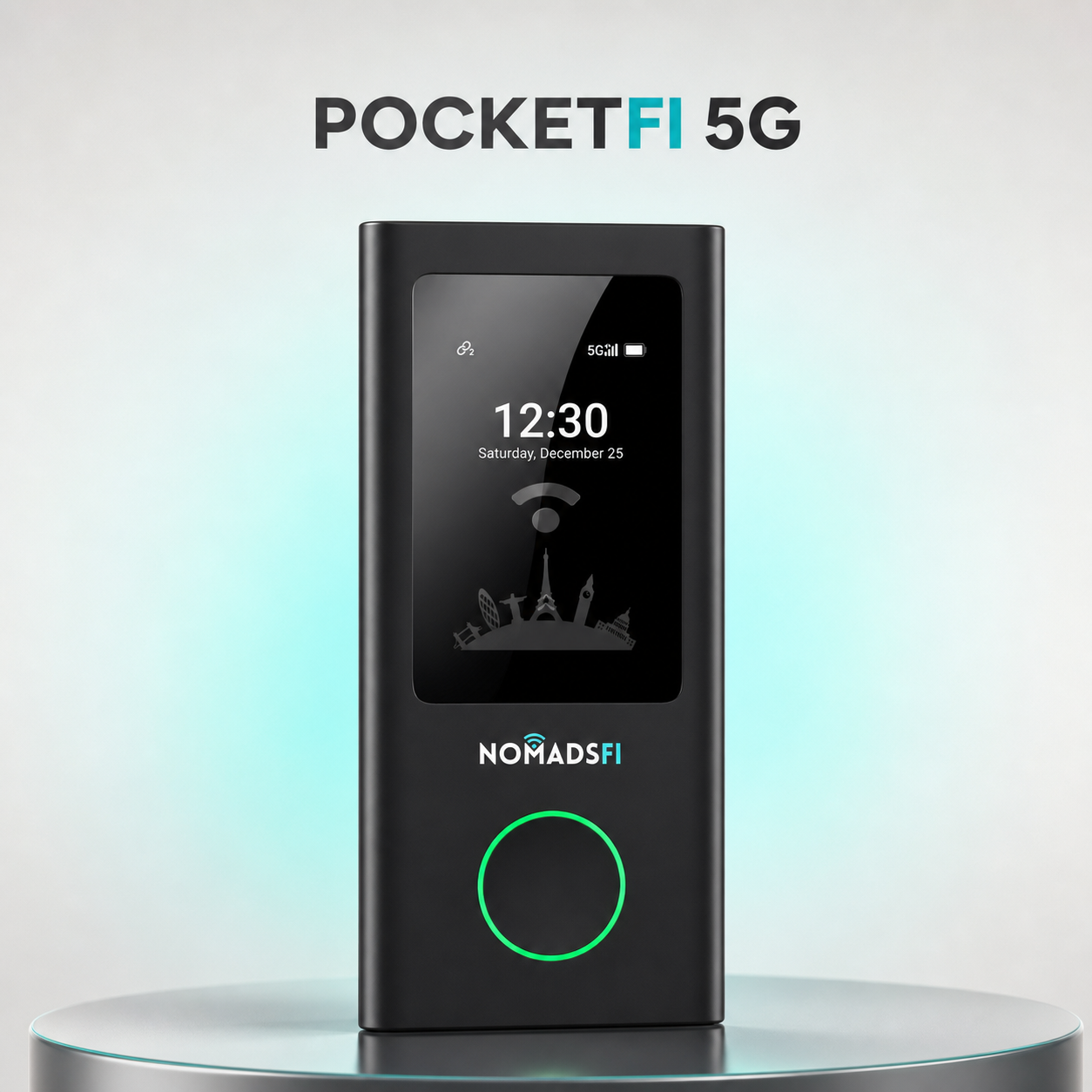
A practical split that works well: keep a travel eSIM active on your phone for emergency connectivity, and run the heavy lifting — laptop, tablet, video calls, streaming — through a hotspot. You get two independent networks, and if one fails, the other keeps you online.
And what about Starlink vs a hotspot for RVers?
If you live in an RV, the choice is between fixed satellite internet and portable cellular internet:
- Starlink wins when you park in open-sky boondocking spots for days.
- A 5G hotspot wins on price, setup speed, and reliability in towns, parks with trees, and while driving.
- Many full-timers now carry a hotspot as their daily driver and use satellite only for deep-off-grid stays. See our NomadsFi vs Starlink comparison for RV and travel.
Travel internet FAQ
Can I use an eSIM and a portable hotspot together?
Yes — and it's the setup we recommend for frequent travelers. Use the hotspot as your main network for laptops and tablets, and keep a travel eSIM on your phone as a second, independent connection. If one network has an outage, the other keeps you online.
Is Starlink worth it for travel?
Only if you spend long periods in open-sky, off-grid areas with no cellular coverage. For most travelers, the hardware cost ($300+) and monthly plans ($120–$600) make Starlink the most expensive option by far. A 5G hotspot covers cities, towns, and most rural areas at a fraction of the cost.
How many countries does a CloudSIM hotspot cover?
200+ countries and territories, delivered over the air with no SIM cards. The same device bought in the US works identically in Europe, Asia, and Latin America — coverage is selected automatically per country.
What does travel internet cost for a family of four?
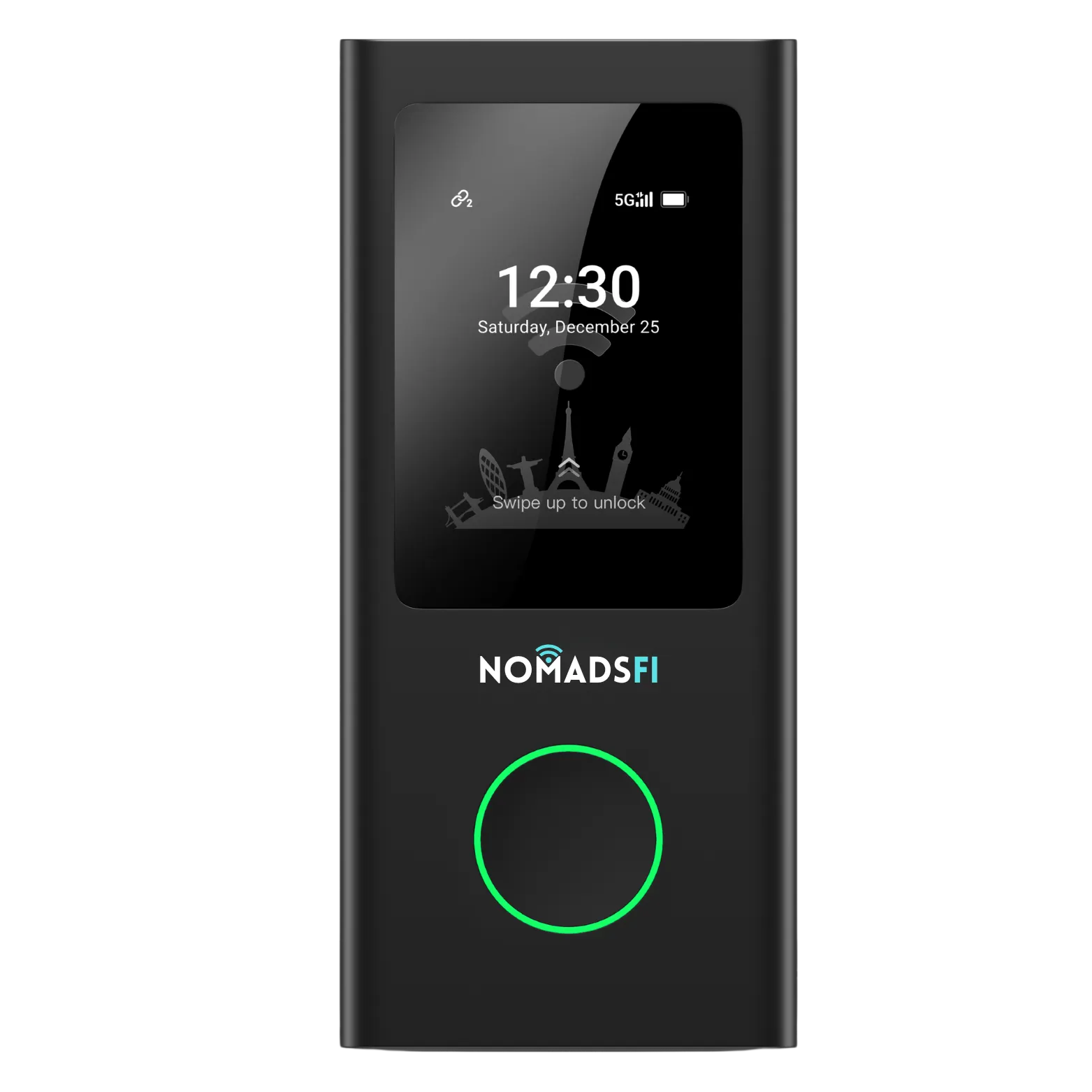
With a hotspot, one device and one data plan cover everyone (16–32 devices). A PocketFi 5G rental at $15/month plus a data plan is typically far cheaper than four separate eSIM packs or a satellite plan. Compare plans on the NomadsFi plans page.
The bottom line for 2026
- Choose eSIM for the occasional solo phone trip.
- Choose Starlink for fixed, off-grid, open-sky living.
- Choose a portable WiFi hotspot for everything involving multiple devices, multiple countries, or a budget that the CFO will question. See how businesses scale the same model in our enterprise hotspot solution guide and the 32-scanner retail case study.
Start with a no-contract hotspot and test it on your next trip:
- Rent PocketFi 5G — from $15/month
- Buy the NomadsFi 5G Router
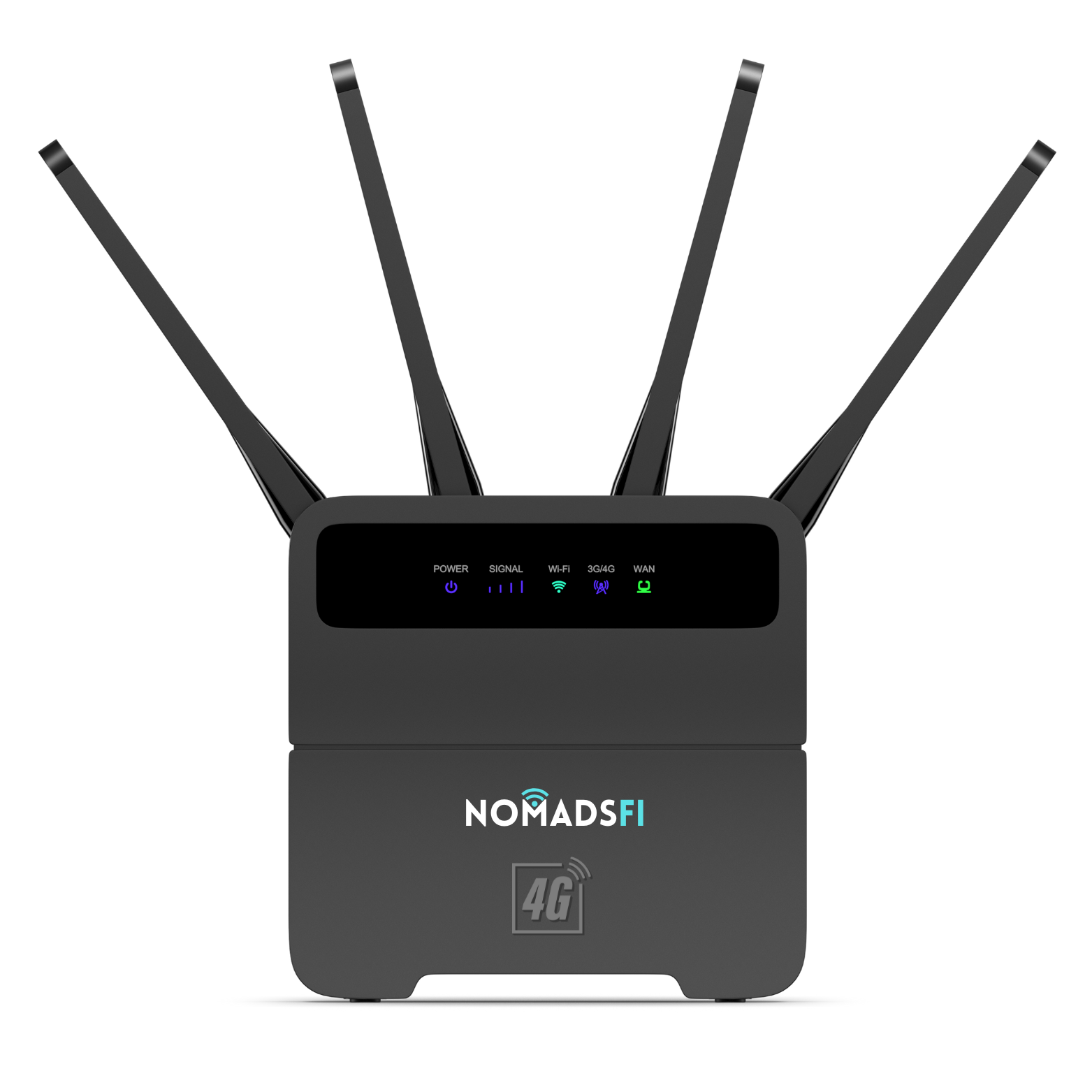
- PocketFi X 4G — best value global LTE
- The best mobile WiFi hotspots in 2026, ranked
- The best portable WiFi hotspots ranked
eSIM, Starlink, or hotspot — pick by coverage, devices, and cost, not by hype.